
The tour is designed for all fitness levels. The Acropolis climb takes 15–20 minutes at a comfortable pace, and the rest is by car with stops.
Gallery
1 / 18
A Tour 2,500 Years in the Making
City Tour with Acropolis & Lycabettus Hill
The main tour of Athens hasn't really changed in the last 2,500 years — the Acropolis, Temple of Zeus, the Marble Stadium and Lycabettus Hill. The 19th century added a few decorations: the Parliament building, the architectural trilogy and the Changing of the Guard — but that's like a postscript to a letter written before our era. Lycabettus Hill now has a viewing platform with a café, but the view is the same one Socrates saw — though he looked at it without a selfie stick and, they say, asked the view uncomfortable questions. And the view looked back at him with Olympian condescension — a Divine view indeed.
The program lasts 4–4.5 hours. But it's not a non-stop information stream: we take breaks, photo stops and "resets" — both during the panoramic drive and at the Acropolis.
The main walking part (1.5–2 hours) is the Acropolis tour. Then we'll drive through the center with stops at the Changing of the Guard, see the Panathenaic Stadium, the city's architectural trilogy, the Temple of Zeus and, of course, climb Lycabettus Hill for the view.
Tour start and end — at your hotel, I pick you up by car.
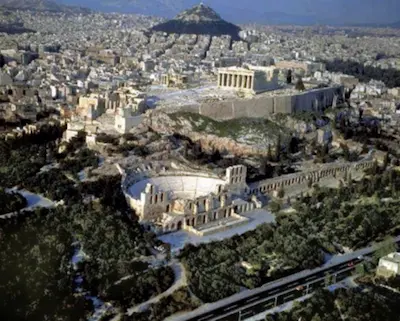
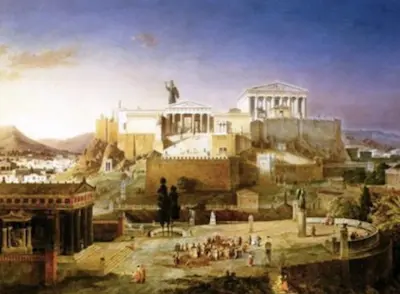
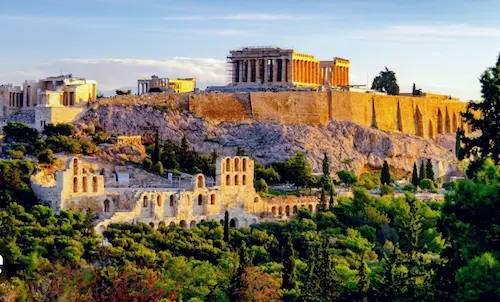
Below — a preview of the Acropolis monuments and city tour. Scroll down for detailed descriptions.
Acropolis (1.5–2 hours on foot)

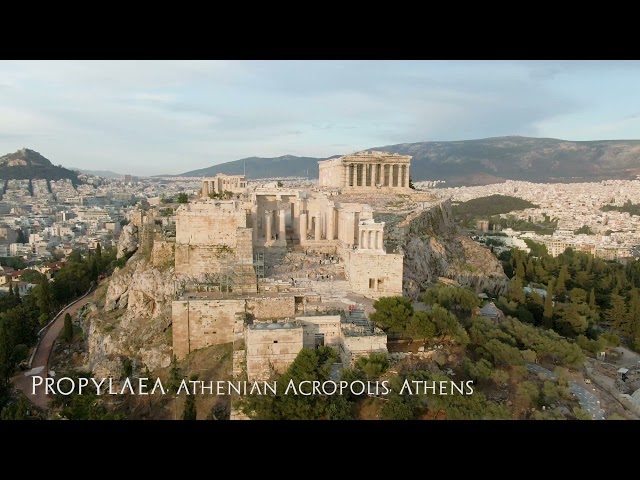
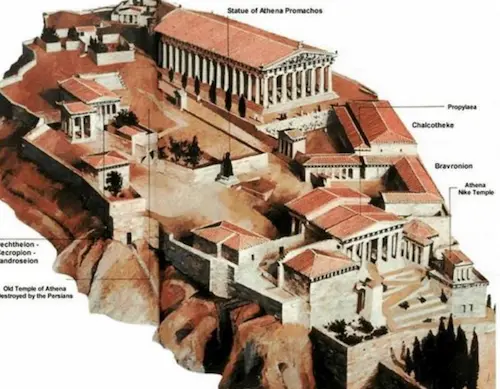
Propylaea — the monumental gateway to the Acropolis, built in 437–432 BC. An architectural "attention filter" that turns entering into a ritual.
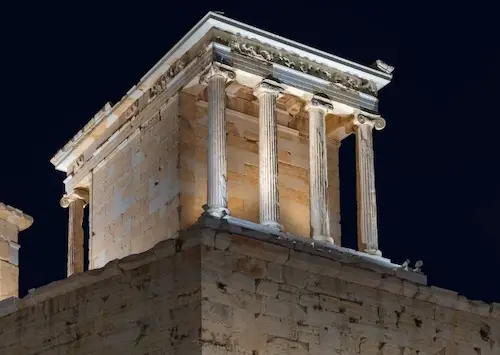
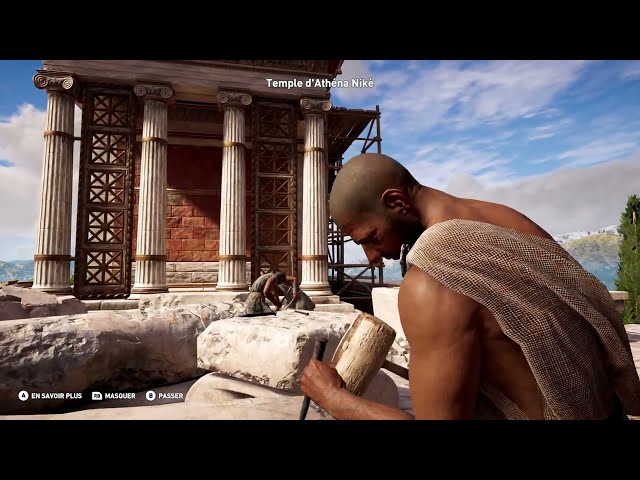
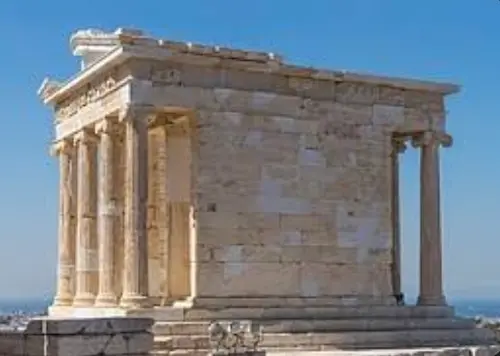
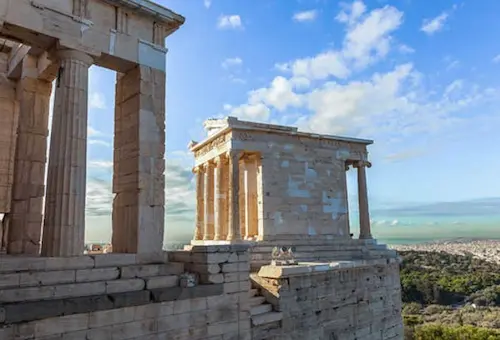
Temple of Athena Nike — an elegant Ionic temple dedicated to the goddess of victory. Athenians depicted Victory without wings so she couldn't fly away.
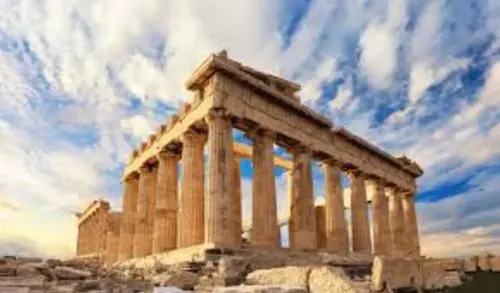
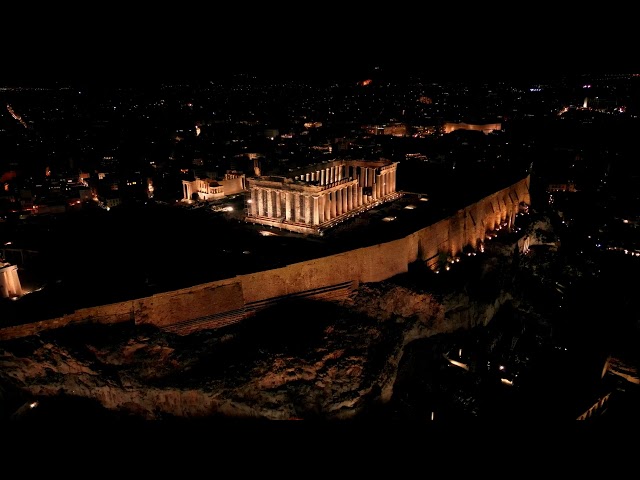
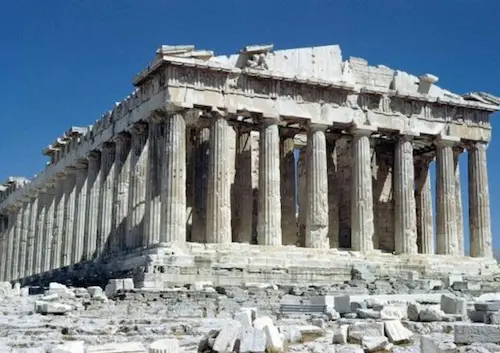
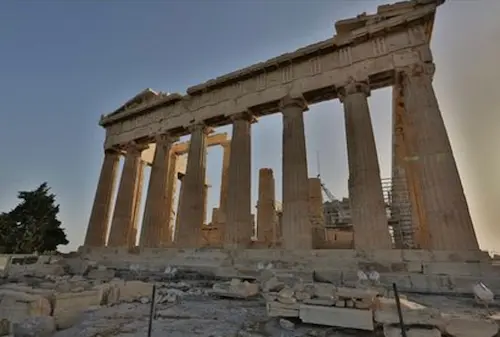
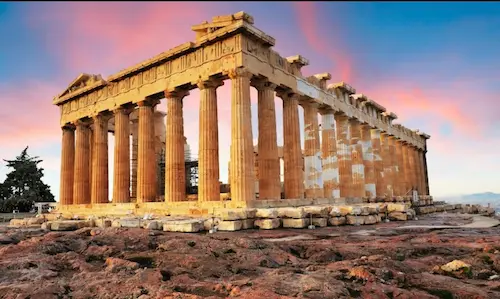
Parthenon — the main thesis of Athens, built in 447–438 BC. Perfect geometry achieved through subtle optical corrections.
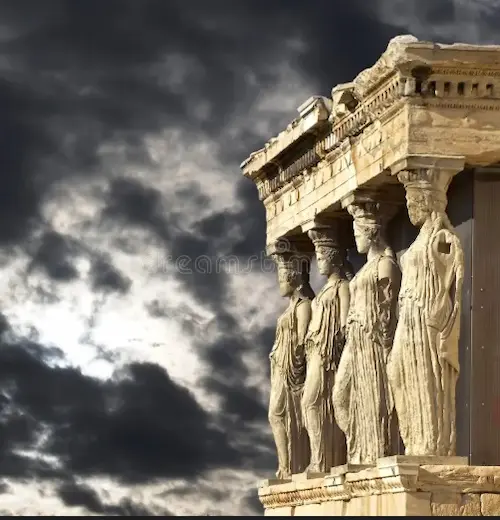
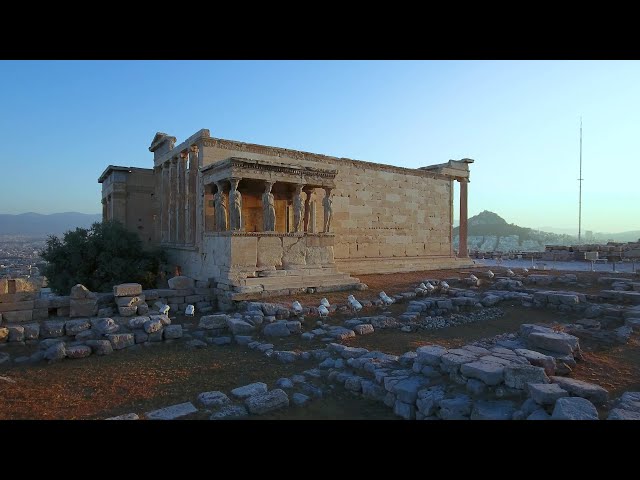
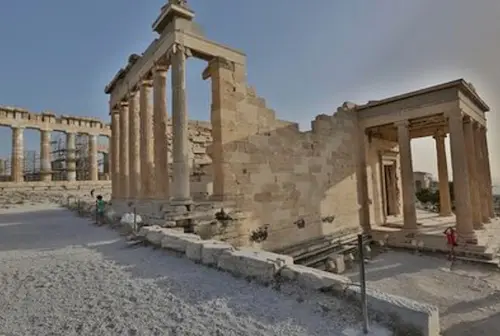
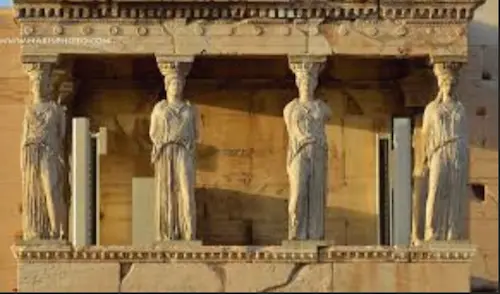
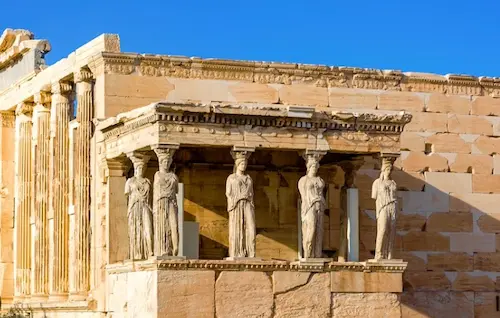
Erechtheion — a temple of complex design, famous for its Porch of the Caryatids. Architecture that entrusts women with bearing the weight of the composition.

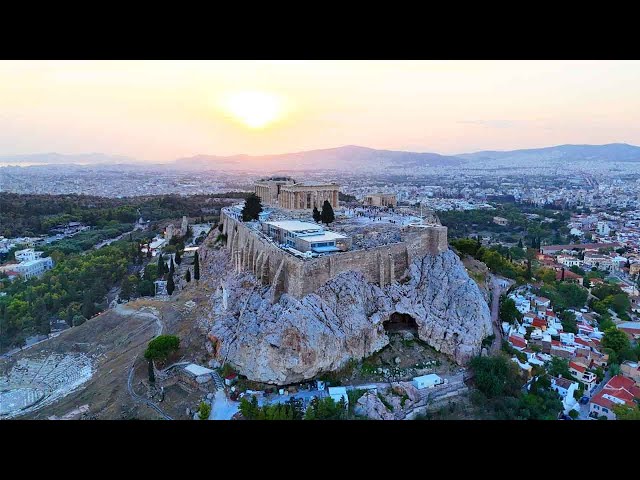
Panoramic views of Athens from the Acropolis reveal a breathtaking vista of the modern city — three thousand years of history beneath your feet.
City Tour (by car)

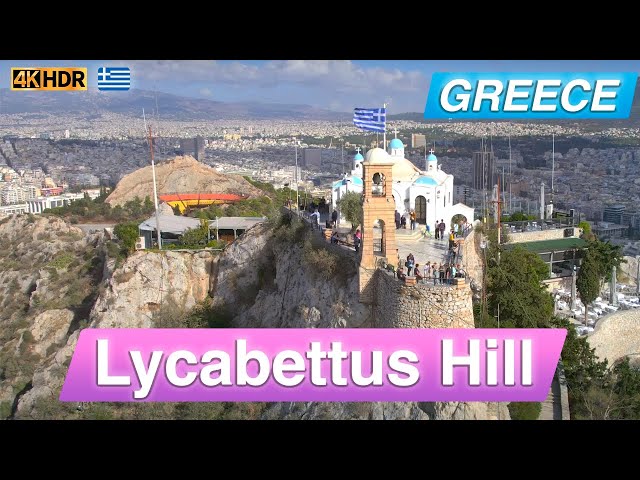
Lycabettus Hill — the highest point in Athens with a 360° panorama. From here the whole city lies at your feet: the Acropolis, the sea, the mountains.
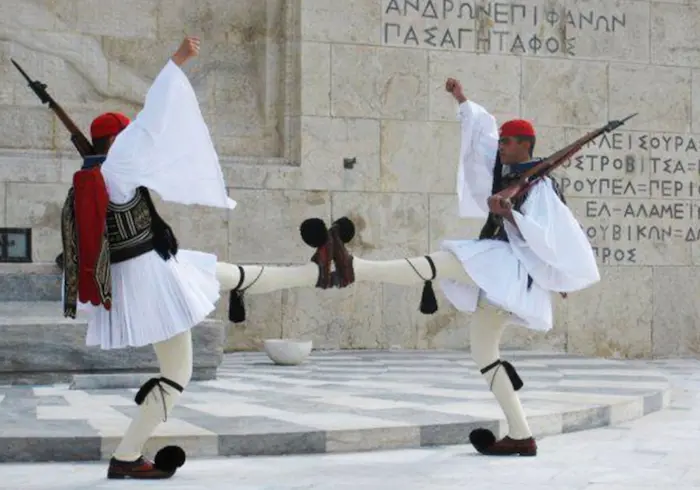
Changing of the Guard at Parliament — Evzones in traditional uniform with pompoms on their shoes. A ritual that mesmerizes with its precision.
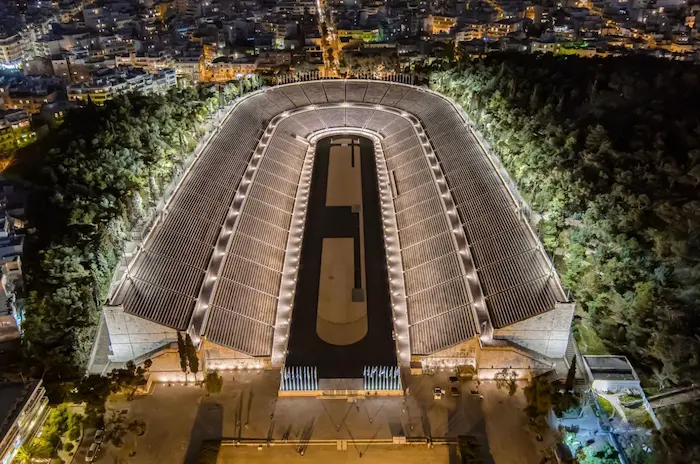
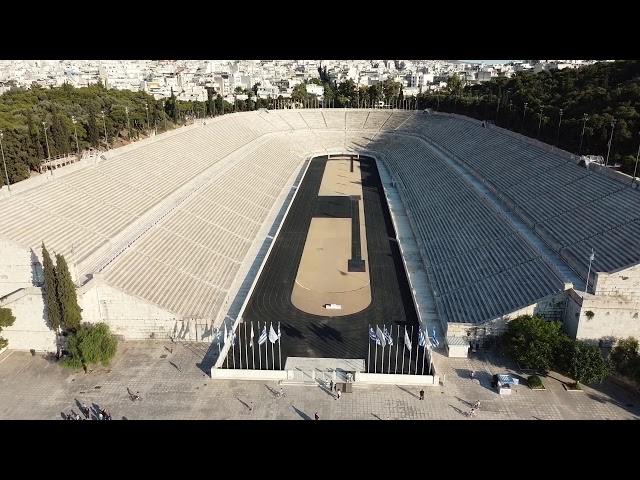
Panathenaic Stadium — the white marble stadium where the first modern Olympic Games were held in 1896. The only stadium in the world made entirely of marble.

The Athenian Trilogy — the Academy, University and National Library. 19th-century neoclassical buildings designed by Danish architects following ancient canons.
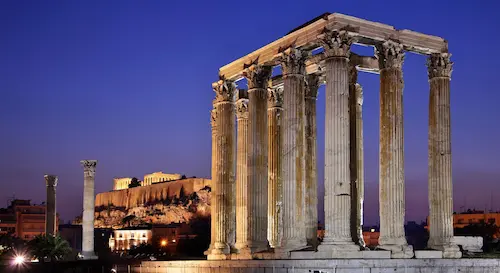
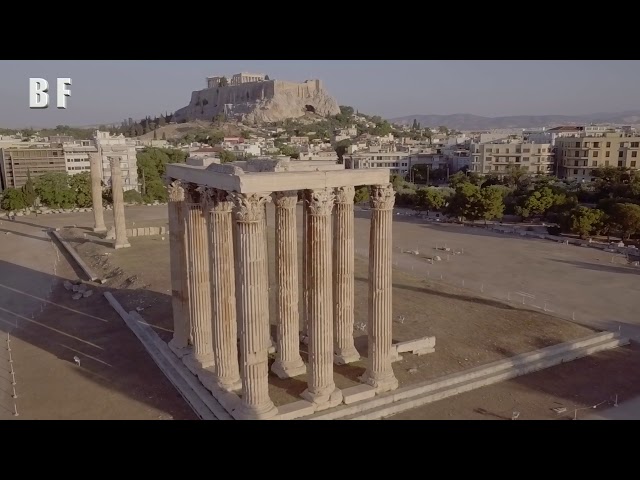
The Temple of Olympian Zeus — the most grandiose long-build of antiquity: started in the 6th century BC, completed in the 2nd century AD. Eight centuries of construction — even by Greek standards that's a long time. The Sagrada Família has nothing on this.
Detailed Tour Program
Below — detailed descriptions of Acropolis monuments and city tour stops. Click the buttons to expand descriptions and history.
Acropolis Tour Highlights
Areopagus Rock
Read moreCollapse

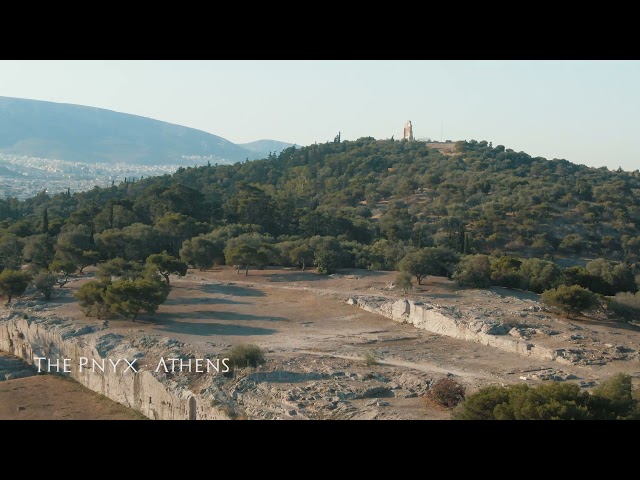
The Council of the Areopagus tried cases of murder, sacrilege and treason. This was not just a court for criminals — here questions of life and death, honor and dishonor were decided. Every word was weighed, and every word had consequences. The Greek word "crisis" (κρίσις) literally means "judgment," "decision."

In 51 AD, the Apostle Paul delivered his famous sermon to the Athenians here. He addressed the Stoic and Epicurean philosophers about the "Unknown God," whose altar he had seen in the city. But this was no random altar — Greek philosophy had been moving toward monotheism for centuries. Xenophanes in the 6th century BC mocked anthropomorphic gods: "If oxen could paint, their gods would be oxen." Plato spoke of the One Good, Aristotle of the Prime Mover, the Stoics of the universal Logos. Paul didn't bring the Greeks a foreign idea — he named what they had been reaching for on their own. The first Christian sermon in the intellectual capital of the ancient world fell on prepared soil.
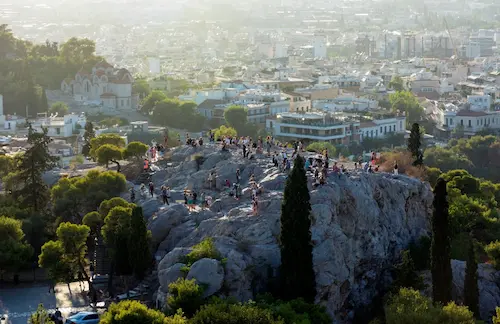
Today, climbing the Areopagus takes just a few minutes up steps made slippery by millennia of use. From the summit you get a panorama of the Agora, Plaka and modern Athens. In the evenings people gather here to watch the sunset with a view of the Acropolis — a tradition that may be thousands of years old.

The Areopagus is where mythology, law, philosophy and religion converge. Here Orestes was tried for matricide, here philosophers debated, here the Christian message rang out to the pagan world. A small rock, but an enormous concentration of meaning per square meter.
Odeon of Herodes Atticus
Acropolis, walking part
Read moreCollapse

Herodes Atticus — one of the wealthiest men in the Roman Empire — built this theater in 161 AD in memory of his wife Regilla. It was the last great gift to Athens from a benefactor who financed construction across Greece. The Odeon seats 5,000 spectators across 32 rows of marble seats.
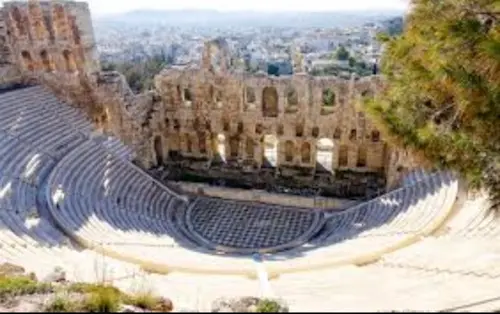
The main luxury was a cedar roof — a rarity for ancient theaters. The three-story skene was adorned with columns, niches with statues and marble cladding. The acoustics remain a mystery to engineers: a whisper from the stage can be heard in the last row without microphones.

In the 3rd century the theater was destroyed and lay in ruins for centuries. Revival began in the 1950s when the Odeon became the venue for the Athens Festival. Since then, Maria Callas, Frank Sinatra, Luciano Pavarotti, Elton John, Foo Fighters and dozens of world stars have performed here.
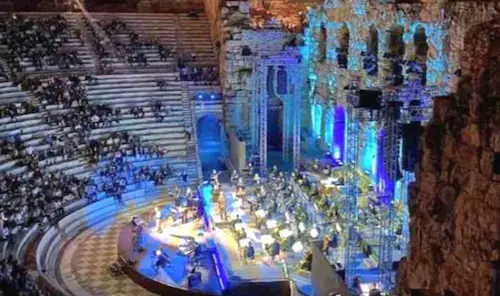
Sitting in the Odeon is a special experience: above you rises the illuminated Parthenon, around you are stones that remember Roman emperors, and from the stage comes music that fills the space just as it did 1,800 years ago. Tickets sell out months in advance.
Propylaea
Acropolis, walking part
Read moreCollapse
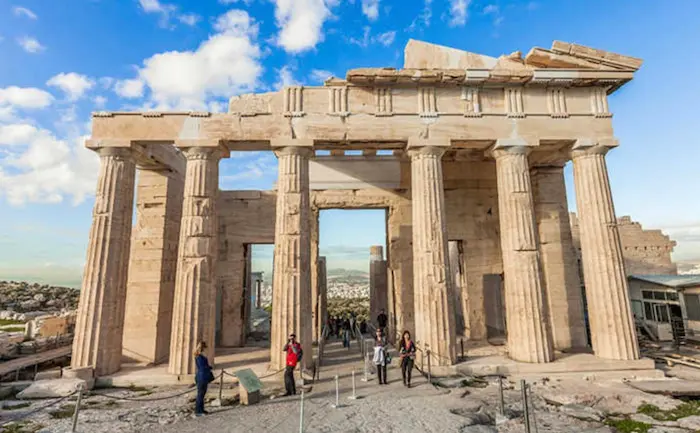
The central part of the Propylaea was a wide monumental passage with a colonnade through which participants of religious processions entered. Architect Mnesicles created a complex system of Doric and Ionic columns — the first combination of two orders in a single building. The central passage was wide enough for a chariot.

The northern wing served as the Pinacotheca — an art gallery with painted panels and dedications to the gods, making it the oldest known art gallery in the world. The southern wing remained unfinished — perhaps due to the Peloponnesian War in 431 BC.

South of the Propylaea, on the cliff edge, stands the Temple of Athena Nike. It was visually and symbolically linked to the Acropolis entrance: before reaching Athena's sanctuary, visitors had to "pass by Victory" — a symbolic gesture affirming the city's power.

The ancient Propylaea were conceived as an architectural threshold: where the city ended and the space of gods, art and philosophy began. Today, passing through them, you retrace the path of Pericles, Socrates and millions of pilgrims before you.
Temple of Athena Nike
Acropolis, walking part
Read moreCollapse
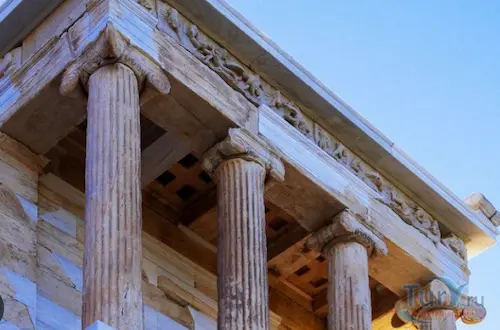
The temple stands on a high pyrgos (bastion) to the right of the Propylaea, at the cliff edge. Its dimensions are modest — just 8×5.5 meters — but its position makes it one of the most striking buildings on the Acropolis. Four Ionic columns on each façade give it lightness and elegance.

The platform was surrounded by a marble balustrade with reliefs depicting Nike during sacrifices. The most famous — "Nike Adjusting Her Sandal" — is a masterpiece of "wet drapery," showing the body through fabric. The original is in the Acropolis Museum.
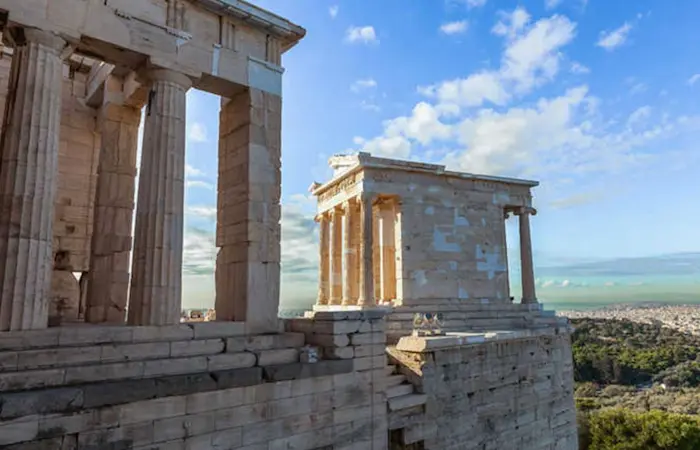
The temple's history is dramatic: in 1686 the Ottomans dismantled it for fortification blocks. Greek archaeologists restored it twice — in the 1830s and in 2010, each time refining their methods.
Today the Temple of Nike is one of the most photographed structures on the Acropolis. It greets visitors at the entrance, as if saying: you have come to a city that never let victory go.
Parthenon
Acropolis, walking part
Read moreCollapse

The Parthenon's secret lies in optical illusions. Columns lean slightly inward and are thickened in the middle (entasis), the stylobate curves upward at the center, corner columns are thicker. All these corrections create the impression of mathematical perfection, though not a single line is straight. Extended upward, the columns would converge at about 2.5 km height.

The sculptural program was created under Phidias. The 160-meter frieze depicted the Panathenaic procession, metopes showed battles with centaurs, Amazons and giants, and pediments depicted Athena's birth and her contest with Poseidon.

Inside stood a 13-meter statue of Athena Parthenos by Phidias — a wooden frame covered with gold and ivory. About 1,140 kg of gold was used — simultaneously a monument and the city's gold reserve. The statue vanished in the 5th century, but descriptions suggest its scale: a twelve-meter goddess in full armor, with shield, spear and Nike on her palm.
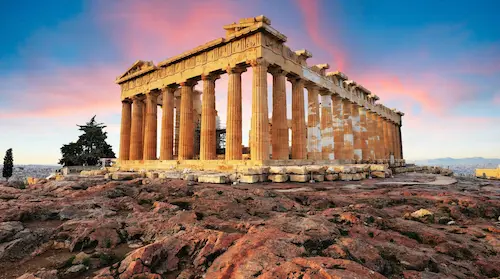
In 2,500 years the Parthenon has been a temple, church, mosque and gunpowder magazine (blown up in 1687). Restoration continues since 1975 and will take decades more. Every block is marked, every fragment cataloged — the most meticulous restoration project in the world.
Erechtheion
Acropolis, walking part
Read moreCollapse
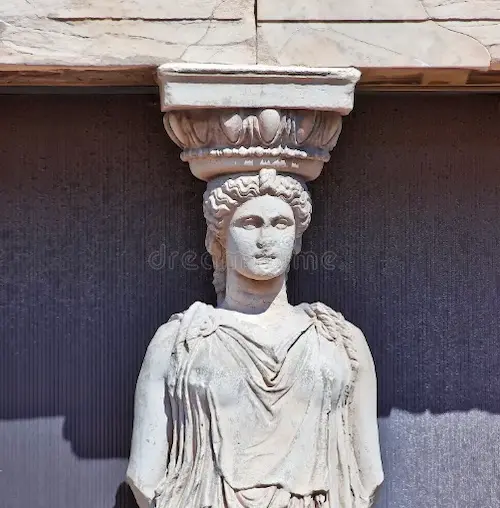
The famous Porch of the Caryatids — six maidens carrying the temple roof on their heads. Their poses appear effortless, though each weighs about a ton. Five originals are in the Acropolis Museum; the sixth was taken by Lord Elgin in 1801 and is in the British Museum. Greece continues to demand its return.

The northern portico features elegant Ionic columns. Beneath lies where Poseidon struck with his trident — the "trident marks" (three holes in the rock) are still visible. Nearby — a saltwater spring said to have appeared from the blow.

The Erechtheion's architecture is unique: the temple stands on different levels, uniting several sacred sites. Here the most ancient relics were kept: a wooden statue of Athena said to have fallen from the sky, the tomb of mythical king Cecrops, and Athena's sacred olive tree.

The Erechtheion is the most complex temple on the Acropolis in layout and most enigmatic in meaning. It's not just a building but a stone map of Athenian mythology, where every level, portico and opening tells its own story.
☀️
Free time at the Acropolis
After the tour you'll have time to wander among the ancient stones at your own pace — take photos, sit with a view of Athens, or simply breathe in the history. I don't rush and adapt to your rhythm.
City Tour Highlights
Lycabettus Hill
Read moreCollapse
At the summit stands the Church of St. George (19th century) — a snow-white chapel visible from anywhere in the city. Nearby — an open-air amphitheater for summer concerts and a restaurant with panoramic views.

You can climb Lycabettus on foot (about 30 minutes through a pine forest) or by funicular (running since 1965). We drive up — it's quick, comfortable and leaves more time for the view.
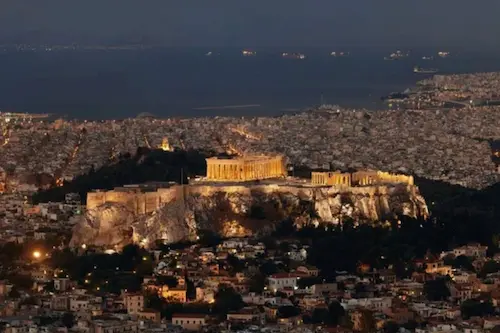
From Lycabettus, the Acropolis is visible as if on your palm — and it becomes clear why the ancients chose that rock for their main temples. The entire city topography makes sense from above: the Agora, Plaka, Philopappou Hill, the sea in the distance.
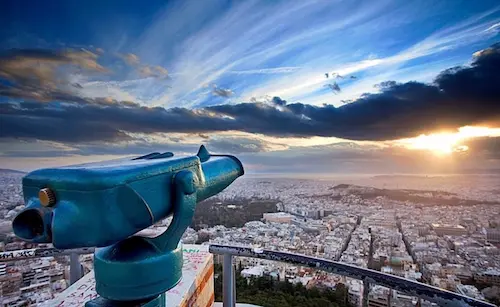
Lycabettus is especially beautiful at sunset: the city gradually lights up, the Acropolis glows gold, and the sky turns pink and orange. If the schedule allows, I try to time the route so we arrive during the "golden hour."
Evzones. Changing of the Guard
City tour
Read moreCollapse
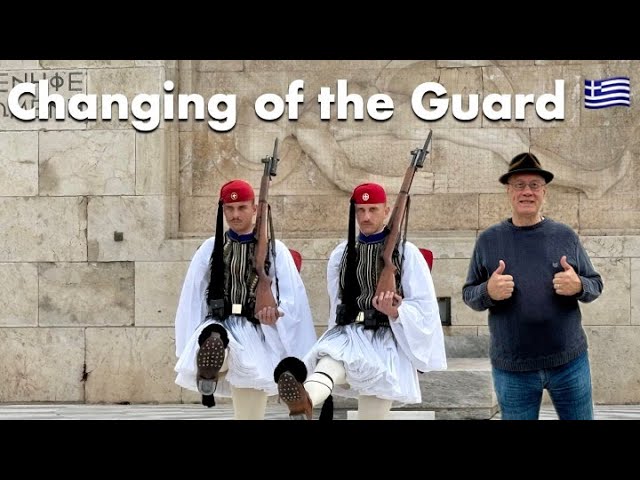
The Evzone uniform — the fustanella — is a white pleated skirt with 400 folds (for the years of Ottoman rule). A red beret with tassel, embroidered vest, and the famous tsarouchi — leather shoes weighing 3 kg each with 60 nails on the sole for a resounding step.

The Changing of the Guard takes place every hour throughout the day. The ritual lasts about 5 minutes: synchronized steps, high leg raises, freezing in perfect stillness. On Sundays at 11:00 AM — the grand ceremony with the full unit and military band.
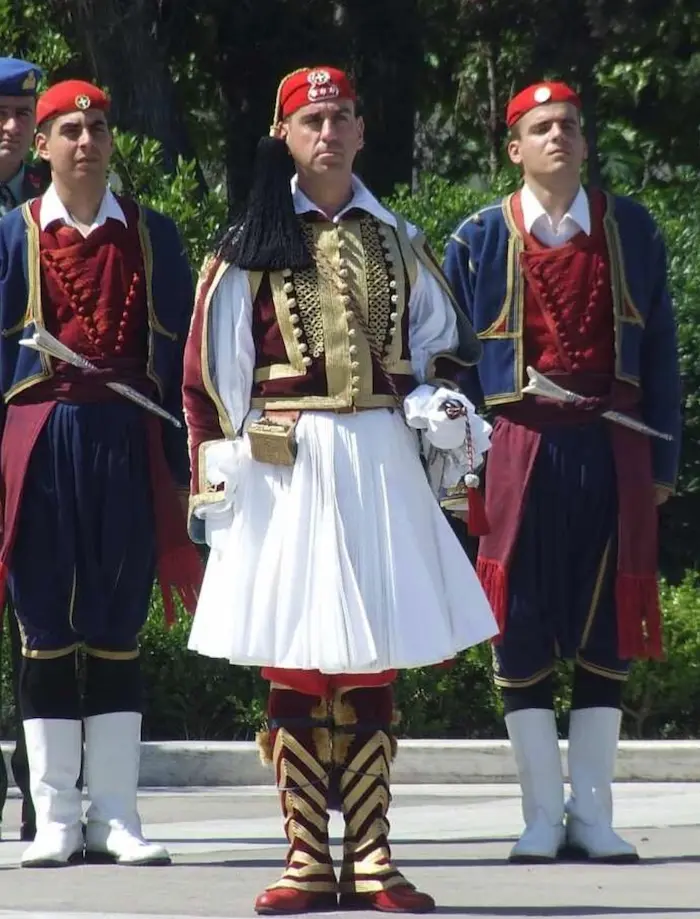
The Sunday ceremony at 11:00 AM is the week's main event: the full guard in dress uniform, a military orchestra, a solemn march from the barracks to Parliament. The entire Syntagma Square fills with spectators.
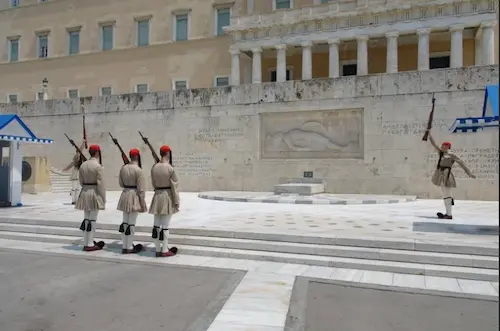
The Evzones guard the Tomb of the Unknown Soldier — a memorial dedicated to Greek soldiers who died in 20th-century wars. Carved into the marble wall is a relief of a fallen warrior and inscriptions listing the battles where Greeks fought.
Panathenaic Stadium
City tour
Read moreCollapse

The first stadium here was built by the orator Lycurgus in 330 BC for the Panathenaic Games — a festival honoring goddess Athena. Athletes competed in running, wrestling, chariot racing and musical contests.
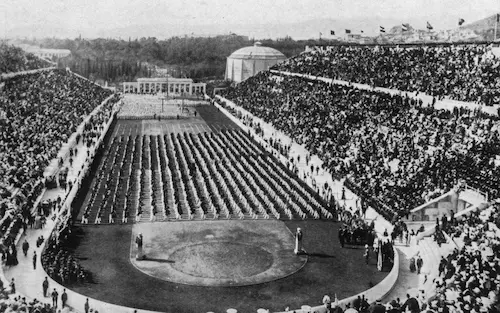
On April 6, 1896, the first modern Olympic Games opened here. The idea belonged to Pierre de Coubertin, but Greece became the host of the revival. The stadium was rebuilt in marble by benefactor Georgios Averoff.

The hero of the 1896 Olympics was Spyridon Louis — a Greek water carrier who won the marathon. He finished at this stadium to the ovation of 80,000 spectators, becoming a national symbol.
Today the stadium is the finish line of the Athens Marathon, held annually in November. But its main role is in the Olympic flame ceremony — each Games begins with the torch lit here on its way to the host city.
Temple of Olympian Zeus
City tour
Read moreCollapse
The temple was completed only by Emperor Hadrian in 132 AD — nearly 700 years after construction began. Hadrian adored Greek culture and lavished Athens with buildings, finishing what the tyrants had started in the 6th century BC.

The temple had 104 Corinthian columns standing 17 meters tall — higher than a five-story building. Today only 15 remain, with one lying nearby, toppled by a storm in 1852. The columns are the tallest in Greece.

Near the temple stands Hadrian's Arch — triumphal gates marking the boundary between old Theseus' city and new Hadrian's city. The inscriptions on the arch are a diplomatic masterpiece: the emperor honored the Greeks while immortalizing himself.
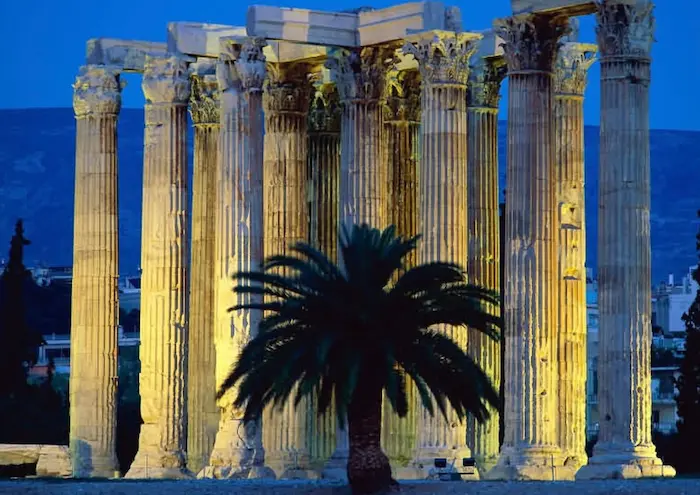
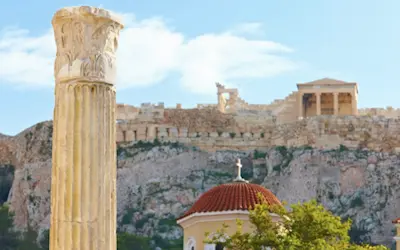
From the Acropolis, the temple columns align perfectly against the modern city. Ambition frozen in stone — even as ruins, the temple shows the scale on which antiquity thought and built.
The Athenian Trilogy
City tour
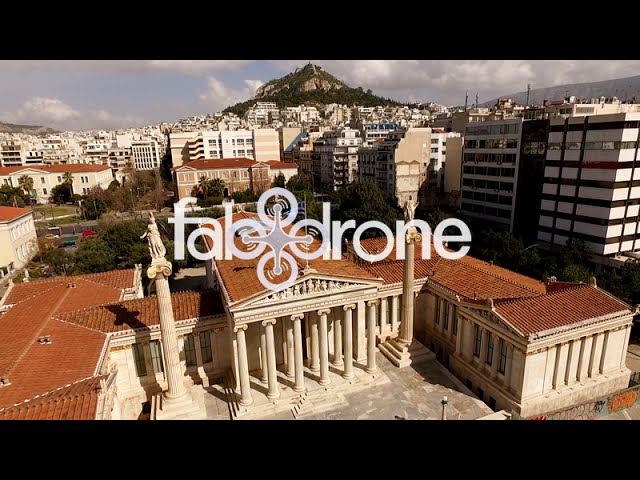
Read moreCollapse
The University of Athens (1839–1864) — the oldest university in Greece and the Balkans. The building at the center of the trilogy is decorated with a fresco depicting King Otto surrounded by the sciences and arts.
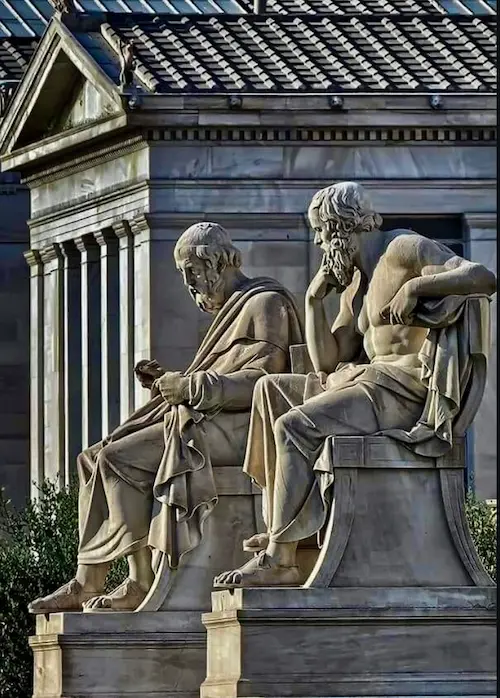
The Academy of Athens (1859–1885) — the architectural crown of the trilogy. Before the entrance stand statues of Plato and Socrates, atop the columns — Athena and Apollo. The building was inspired by the ancient Academy where Plato taught.

The National Library (1888–1903) — home to over 4,500 manuscripts and millions of books. The building with Doric columns and a grand staircase was inspired by the Temple of Hephaestus.
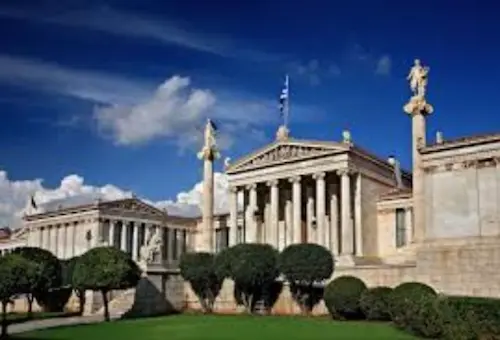
The Trilogy is a manifesto of the young Greek state: we are heirs to a great culture, and we build our future on its foundation. Pentelic marble, the same used for the Parthenon, connects the 19th century to the 5th century BC.
National Garden
City tour
Read moreCollapse
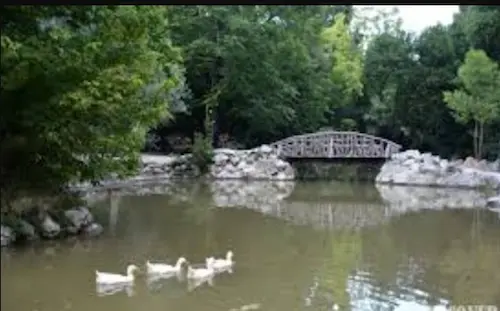
Across 15.5 hectares grow over 500 plant species — from Mediterranean cypresses to tropical palms. The garden has ponds with turtles and ducks, ancient ruins among the greenery, and shaded paths ideal for the midday heat.

Hidden among the greenery are fragments of ancient columns and capitals — the garden was created on an archaeological site, and some finds remain where they were discovered. A walk through the garden becomes an unexpected journey through time.

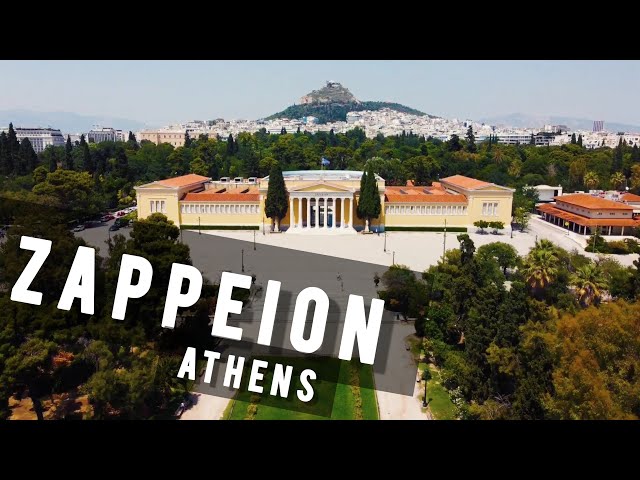
The garden connects Syntagma Square with the Zappeion and Panathenaic Stadium. It's an ideal walking route: from Parliament through shaded paths to the marble stadium.

The garden has a charming café where you can rest in the shade of plane trees. Athenians come here to read, jog in the mornings, and walk with their children.
Hadrian's Arch
City tour
Read moreCollapse

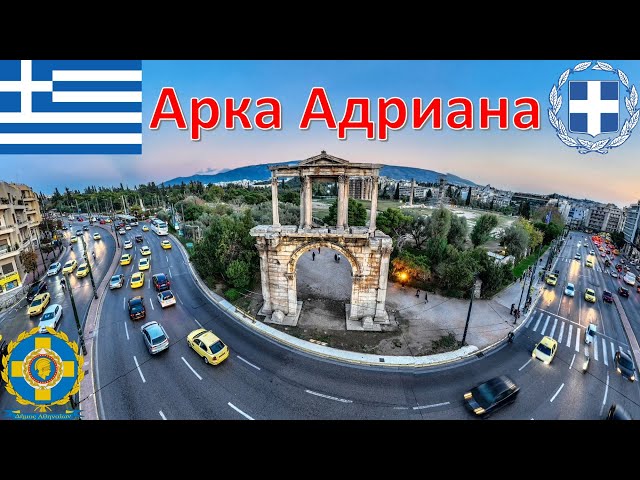
The arch bears two famous inscriptions. On the western side: "This is Athens, the ancient city of Theseus." On the eastern: "This is the city of Hadrian, not of Theseus." A diplomatic solution: Hadrian claimed new Athens as his own without denying the old.
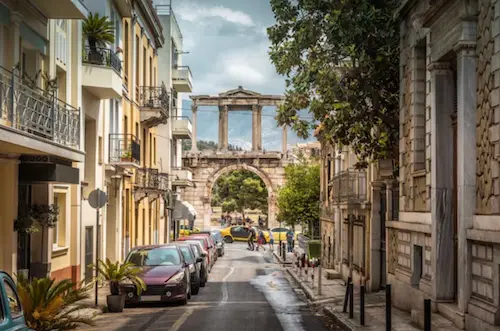
On one side of the arch you see the Acropolis — symbol of classical Athens. On the other — the ruins of the Temple of Olympian Zeus, which Hadrian completed after 700 years of construction. The arch stands at their intersection.
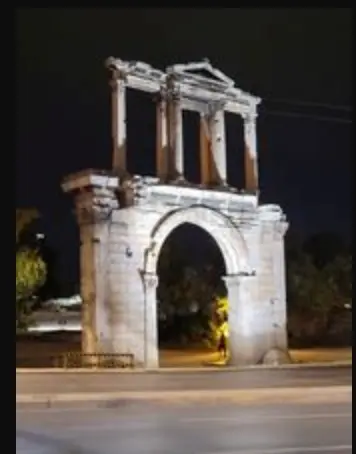
Hadrian was a philhellene emperor — he studied Greek philosophy, was initiated into the Eleusinian Mysteries, wore a Greek-style beard, and poured resources into rebuilding Athens.

Today the arch stands amid a busy intersection yet retains its grandeur. It's a reference point for understanding Roman Athens — an era when the city got a second lease on life thanks to an emperor who loved Greece more than Rome.
Frequently Asked Questions
Short and clear:
The tour runs in any weather. If it rains — bring an umbrella and proper shoes. The car portion keeps you comfortable.
Yes, the tour is so engaging that adults become children and children become adults.
Usually 4–4.5 hours: Acropolis (1.5–2 hours walking) + panoramic drive through the center with photo stops.
No, tickets are not included. Maximum price — €30.
Under 18 — free entry.
EU passport and under 25 — free entry.
EU passport and 67+ — 50% discount.
Non-EU passport — full price.
Athens City Tour Pricing
My prices are quite reasonable. Finding out is easy: just click a convenient button below
and you'll go straight to a chat with me. No need to add me to contacts.
In your message, please include:
- dates you're interested in (at least the month);
- number of people (children count too).
I'll promptly send you up-to-date information and offers tailored to you.
Prefer e-mail:
E-mail
Prefer a call?
Call
Image Gallery
Photos of the Acropolis and its main landmarks
1
2
3
4
5
6
7
8
9
10
11
12
13
14
15
16
17
18
✦ Get Prices