Yes, it is included. A bus will collect you directly from your Athens hotel at 7:00–7:30 in the morning. After the cruise, upon return to Piraeus (~19:30), a transfer back to your hotel will be arranged.
Gallery
1 / 7
|
Day itinerary
Three jewels of the Saronic Gulf in a single day — sea, islands, lunch and a folk show on board a three-deck cruise ship. ⛵
Hydra — an island without a single engine, where donkeys serve as taxis and stone mansions recall the admirals of the War of Independence. Poros — a green islet with lemon groves, pine forests and the ruins of the Temple of Poseidon, where Demosthenes took poison. Aegina — the first capital of free Greece, birthplace of Europe's first coin and the finest pistachios in the world.
1
Hotel → Piraeus
07:00–07:30
Transfer from hotel
A bus will collect you directly from your Athens hotel. Ship departs Piraeus at 8:00.
2
Island of Poros
10:30–11:30
~50 min on the island
First island: An hour's walk along the colourful waterfront, ruins of the Temple of Poseidon, lemon groves.
3
Island of Hydra
13:00–14:30
1.5 hours on the island
Bohemian island without cars: Walks, donkey-taxis, photos against the bastions. Even Angelina Jolie once rode a donkey here.
4
Lunch on board + Island of Aegina
15:00–18:00
Lunch + 2 hours on Aegina
Lunch included: Traditional Greek lunch on board. During the crossing — a cultural programme with live music.
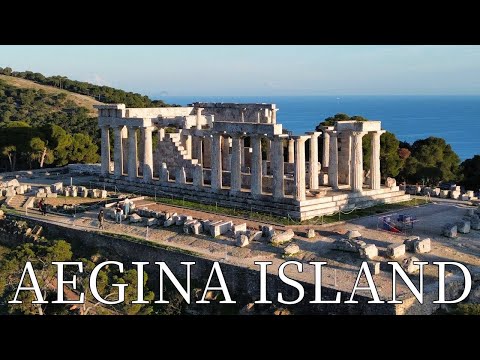
Aegina: A mythical island — pistachios, the Temple of Aphaia, the Monastery of St Nectarios. The longest stop — time to explore and to swim.
5
Piraeus → Hotel
18:00–19:30
Folk show + transfer
Return: Folk show with sirtaki and Greek dancing. Transfer back to your hotel.
A full-day cruise · ~12 hours
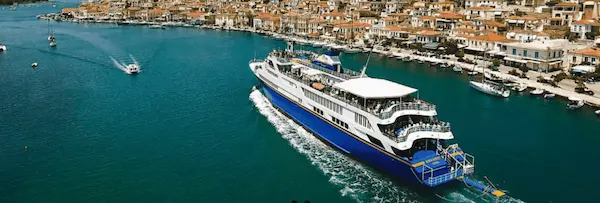
A three-deck vessel with air-conditioned salons, a spacious sun deck and panoramic windows on every level.
The lower deck houses the restaurant where lunch is served. The middle deck has salons with bars, Wi-Fi, a boutique and a live orchestra that plays from early morning. The upper deck is an open sun deck with a bar and lounging areas, from which all three islands and the Peloponnese coast are visible.
Departure from port at 8:00 · Poros ~50 min · Hydra ~1.5 h · Aegina ~2 h · Return ~19:30
Page navigation
Map button (right) — interactive route map with stops, weather and animation
Menu button (also on the right) — table of contents for quick navigation
Tours Menu (on the left) — other tours from Athens
Below — a detailed look at each island with photos and video.
Enjoy the virtual journey!
Read moreShow less
The Island of Poros
Pine trees down to the water, lemons and the shadow of Poseidon
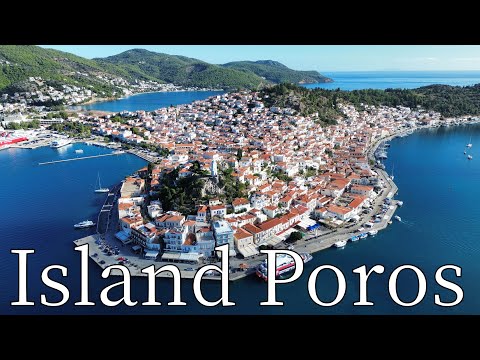
A tiny green island separated from the Peloponnese by a narrow strait — so close you can almost hear the mainland whisper. ▶ Watch the video presentation
Poros
Read moreShow less
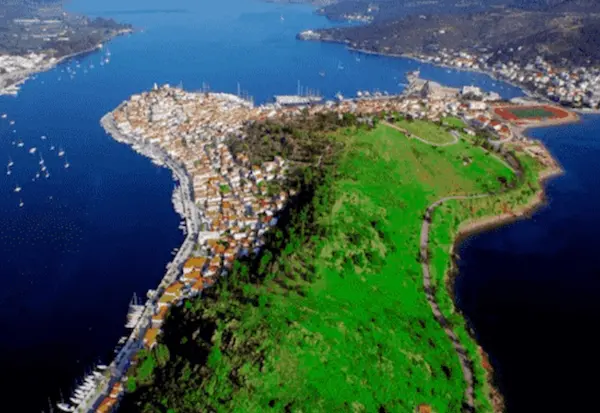
In antiquity the island was called Kalavria and was sacred to Poseidon, god of the seas. On its summit stood a temple, the ruins of which are visible to this day. It was here that the great orator Demosthenes fled, when Macedonian assassins came for him. Taking refuge in the sanctuary, he drank poison — and the Temple of Poseidon became the site of his final words.
During the Greek uprising of 1821, Poros became the base of the rebel fleet, and after victory — the first naval base of free Greece. On the island rests Captain Frank Hastings — an English philhellene who commanded the Karteria, the first steam-powered warship in world history. After Byron, the most famous foreigner to give his life for the freedom of Greece.
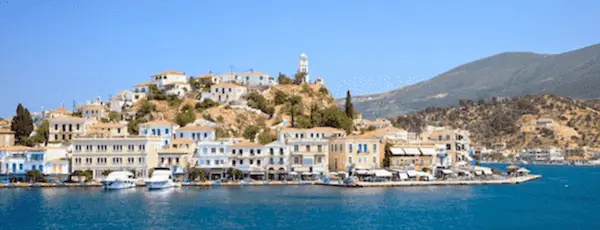
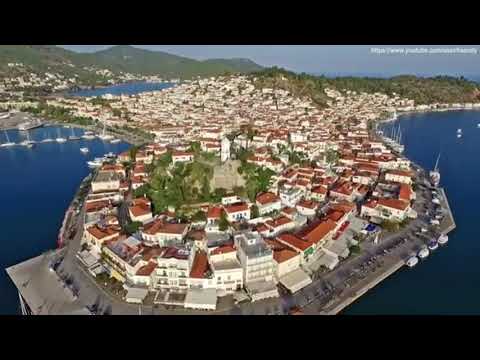
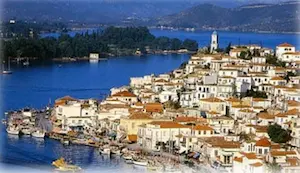
Today's Poros is pine trees descending to the water's edge, the famous Limonodásos — a grove of 30,000 lemon and orange trees — and a waterfront from which the Peloponnese is visible at arm's length. Climb to the clock tower on the hill: from there the entire island lies before you like a palm, and the strait between Poros and the mainland resembles a river.
The Island of Hydra
The island where time stands still
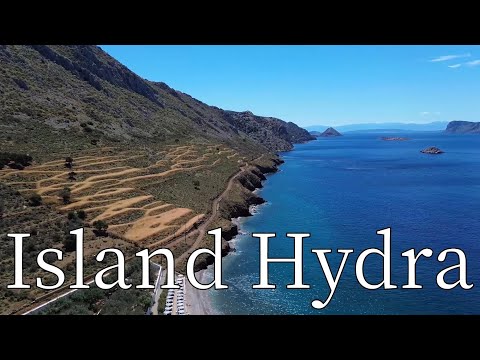
Not a single car, not a single motorcycle. Only stone mansions, donkeys and the sound of waves against the quay. ▶ Watch the video presentation
Island of Hydra
Read moreShow less
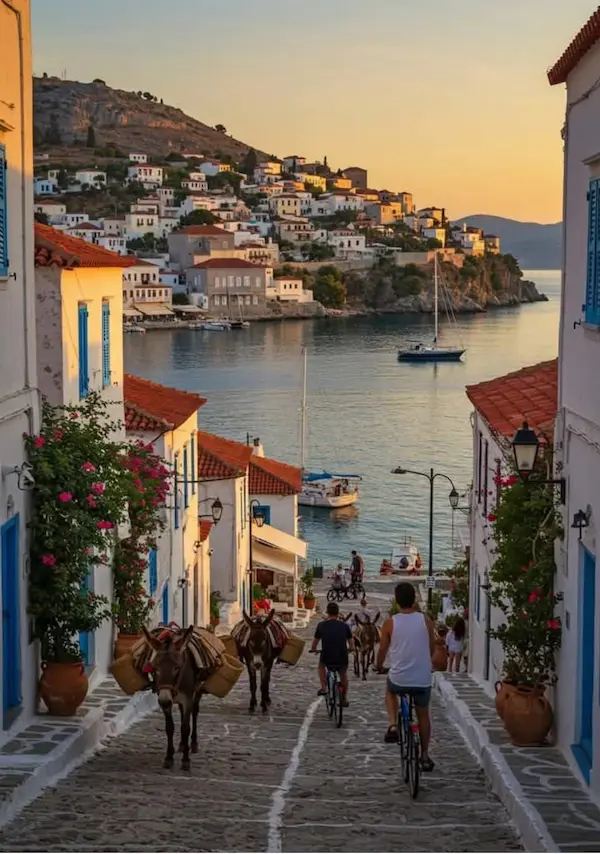
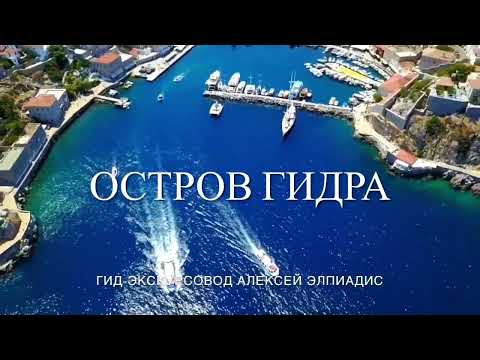
When the ship enters the harbour of Hydra, you realise — this is not just an island but a film set in which you have been cast as the lead. An amphitheatre of stone mansions rises from the water up the hillside, and every house is a monument to the era when Hydra was "little England." By the early 19th century, so many wealthy shipowners lived on this tiny island that their fleet comprised two-thirds of all the ships in Greece.
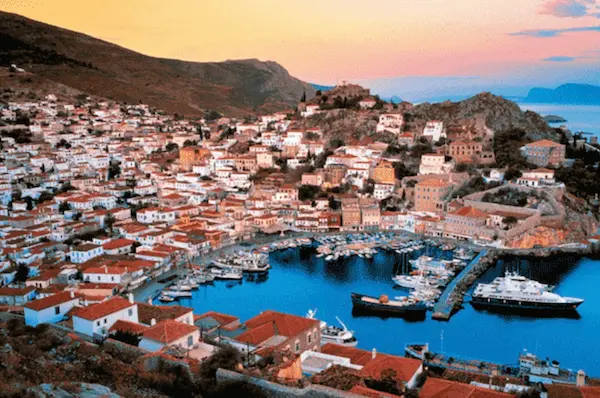
In 1821 those ships went to war. The Hydriots outfitted fire ships — kamikaze vessels that set the Turkish fleet ablaze. Admiral Andreas Miaoulis and Captain Konstantinos Kanaris became national heroes. After victory the island emptied — merchants departed for Piraeus, captains settled in Athens. But what remained were six monasteries, over 300 churches and mansions for which collectors from around the world compete today.
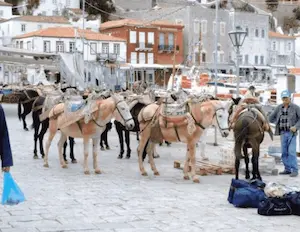
The cardinal rule of Hydra — no motors whatsoever. No cars, no motorcycles, not even bicycles. Goods are carried by donkey, and everyone walks — from Hollywood stars to local fishermen. A sightseeing ride on a donkey takes about 50 minutes and is worth every second. Over the years these lanes have been walked by Leonard Cohen, who wrote his finest songs here, Sophia Loren, Brigitte Bardot and Audrey Hepburn.
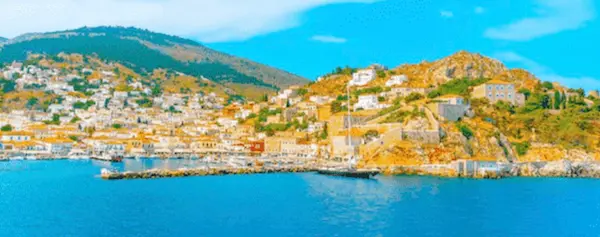
It is said that even Angelina Jolie once rode a donkey here — and the donkey was later nicknamed Brad Pitt. Keep an eye on the time — at the quay there are clocks showing the ship's departure time. Hydra does not let go easily, but the ship will not wait.
On Board: Lunch and Sirtaki
Buffet, bouzouki and Greek dancing in the middle of the sea
Between islands the ship becomes a floating festival — live music, dancing and Mediterranean cuisine.
Read moreShow less
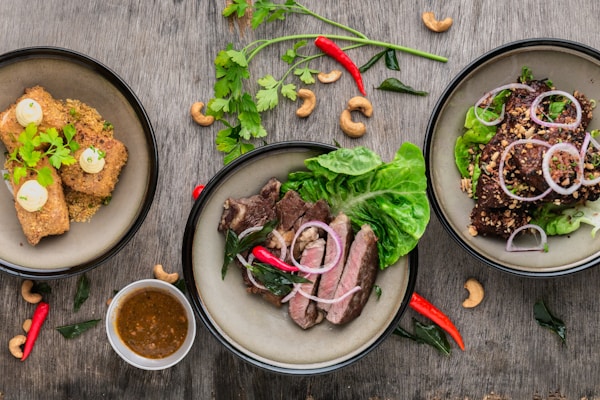
After Hydra, the ship lays out a buffet lunch — already included in the cruise price. Salads with olive oil, moussaka, pastitsio, fresh fish, grilled vegetables, rice, pasta and desserts — everything you need to understand why Mediterranean cuisine is on the UNESCO Intangible Heritage list. Drinks are charged separately: wine, beer, cocktails and coffee can be ordered at bars on every deck.
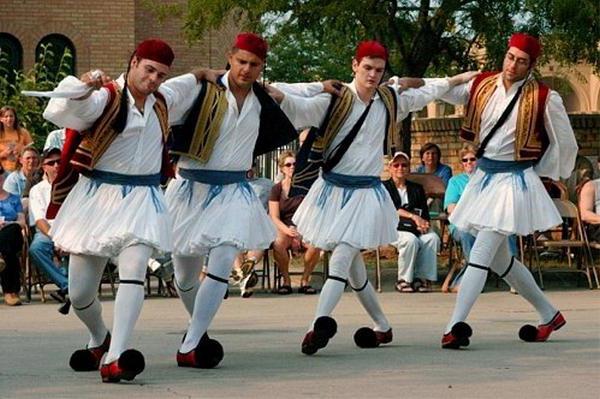
From the morning the deck resounds with live bouzouki. Musicians play folk melodies, rebetiko and, of course, that famous Mikis Theodorakis theme from Zorba the Greek. On the return leg the performers go all out — a folk show with dances from different regions of Greece: the Cretan pentozali, the island kalamatianos, the Pontic serra. The climax — a collective sirtaki, when the entire deck links shoulders and dances together.
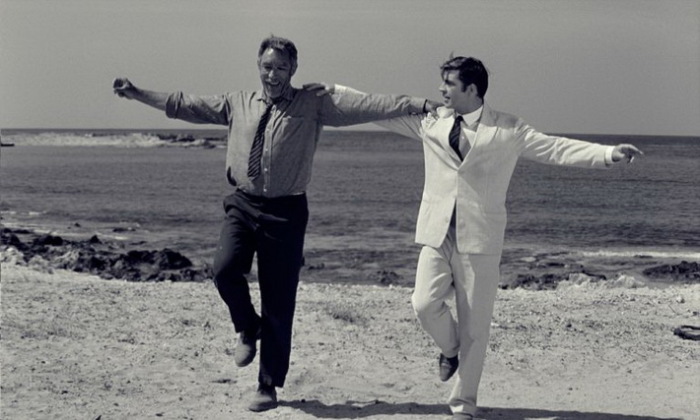
Sirtaki, incidentally, is not an ancient dance at all — it was invented for the 1964 film. Anthony Quinn had broken his leg before filming and could not jump, so choreographer Giorgos Provias composed a dance with sliding steps, which begin slowly and accelerate to a frantic pace. The Greeks so loved this "Hollywood invention" that they made it their own a national symbol. Do not be shy — in sirtaki there are no "right" or "wrong" steps, only kefi — the Greek joy of living.
The Island of Aegina
The first capital, the first coin, the finest pistachios
An island named after Zeus’s beloved, where Europe’s first coins were minted and where pistachios grow that exist nowhere else. ▶ Watch the video presentation
Aegina
Read moreShow less
According to myth, Zeus abducted the beautiful nymph Aegina, taking the form of fire, and carried her to this island. Here she bore Aeacus — a future king so just that after death the gods appointed him judge in the realm of the dead. The island was formerly called Oenone, but the nymph's name proved stronger.
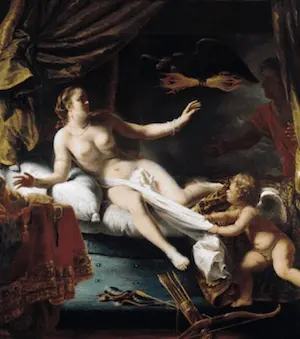
The jealous Hera poisoned the island's water and the people of Aegina perished. King Aeacus fell to his knees before the sacred oak of Zeus and prayed: "Grant me as many subjects as there are ants upon this tree." By morning the island was filled with people — the Myrmidons, "ant warriors." The very Myrmidons whom Achilles would later command beneath the walls of Troy.
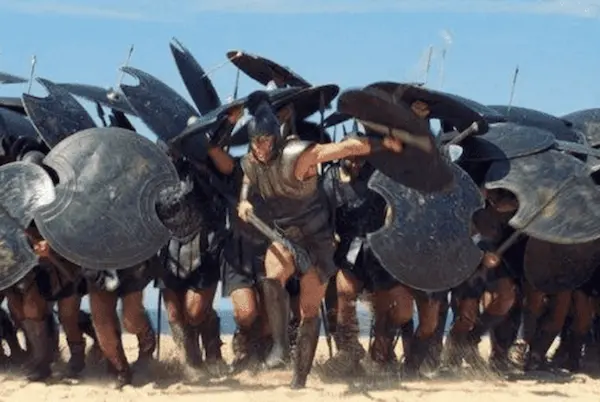
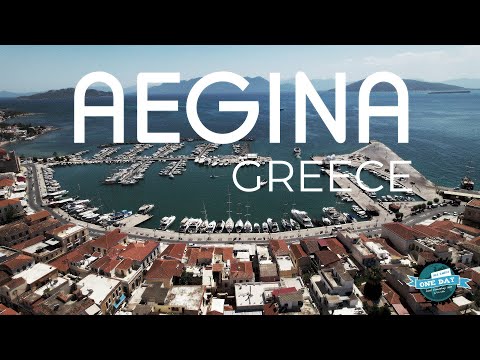
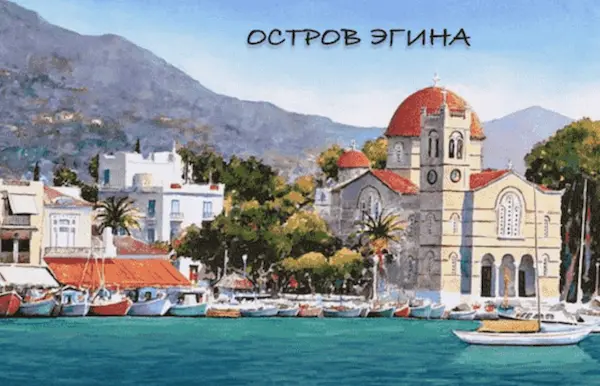
In the 6th century BC Aegina became a trading superpower and the first European polis to mint its own coinage — a silver "tortoise." Despite an eternal rivalry with Athens, in 480 BC Aeginetan triremes stood alongside Athenian ones at the Battle of Salamis and helped rout the fleet of Xerxes. And in 1827 Aegina became the first capital of free Greece — here sat the government of Kapodistrias and the first newspapers of the new state were printed.
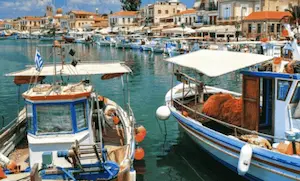
On Aegina two optional excursions are offered (≈20 €). The first — to the Temple of Aphaia, one of the best-preserved Doric temples in Greece, built on a hilltop overlooking three seas after the victory at Salamis. The second — to the Monastery of St Nectarios, one of the largest in Greece, where the head of the saint is kept. Nectarios of Aegina is the most revered Greek saint 20th century.
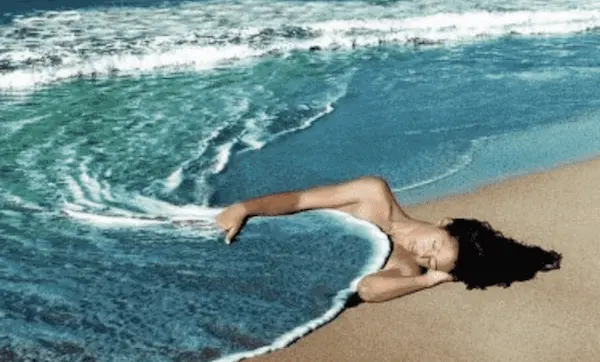
And finally — pistachios. Aegina pistachios are unlike any other: smaller, more vivid and more fragrant. The trees were brought to the island by St Nectarios himself, and they thrived so successfully that today "Aegina pistachios" are a brand known throughout Greece. Buy a bag on the waterfront — and try not to eat them all before returning to the ship. On Aegina you can also swim — the perfect end to the day before the journey back to Athens.
Frequently Asked Questions
Answers to frequently asked questions about the three-island cruise
Yes, ideal for families. The cruise is extremely popular with families. Everything needed is on board, the programme is varied, and the islands appeal to adults and children alike.
Lunch is included in the price. A buffet is laid out on board with a wide selection of Greek dishes: salads, hot courses, side dishes, desserts. Drinks (wine, beer, cocktails, coffee) are charged separately at bars on every deck.
Yes, there is plenty of time.
• Poros: 1 hour — waterfront walk
• Hydra: 1.5 hours — donkeys or on foot
• Aegina: 2 hours — walking, swimming, excursion
Cruise price
Write to me — I will calculate the price and find a convenient date.
If you prefer good old Email
And if you still believe phones were made for conversation ?
do bear in mind that roaming charges can bite
Cruise Photo Gallery
Click any photograph to view it at full size
Hydra
1
Poros
2
Aegina
3
Cruise ship
4
Architecture
5
Donkeys
6
Beach
7
Lemon groves
8
Poros
9
Hydra harbour
10
Temple of Aphaia
11
Myrmidons
12
Aegina
13
✦ Get Prices