Olympia

Ancient Olympia Tour from Athens — Birthplace of the Olympic Games

Gallery
1 / 18

|

Tour Route
Corinth Canal
Day itinerary

Ancient Olympia — birthplace Olympic Games — the main destination of this tour. The site where, in 776 BC, a tradition began, that united the entire Greek world. Here, to this day, the Olympic flame is lit.

En route: Corinth Canal — a cut between two seas, 80 metres above turquoise water. At Olympia: archaeological site with the Temple of Zeus and the first Olympic stadium; archaeological museum with unique exhibits, including the original Hermes by Praxiteles. The new motorway (2026) has cut the drive to 2.5–3 hours from the previous 4–5.

1
Athens → Corinth Canal
Transfer ~ 1 hour Along the comfortable motorway
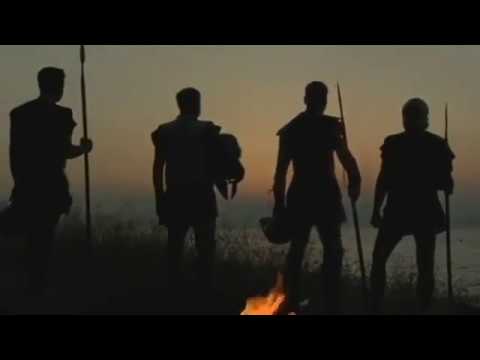
Commentary en route: The Battle of Salamis — the greatest Greek victory over the Persians. We pass the island of Salamis and the district of Eleusis
+ On site: A walk across the pedestrian bridge over the canal — 80 metres above turquoise water, a view where two seas meet, and time for photographs
2
Corinth Canal → Ancient Olympia
Transfer ~ 1,5 hours New motorway across the Peloponnese (2026)
Commentary en route: The history of the Peloponnese — from the ancient Mycenaeans to modern Greece. We cross the centre of the peninsula, past mountain ridges and olive groves
Comfort stop: Halfway — a 15–20 minute break for rest and coffee
3
Ancient Olympia — archaeological site & museum
On site ~ 3 hours Archaeological site + museum with guided tour
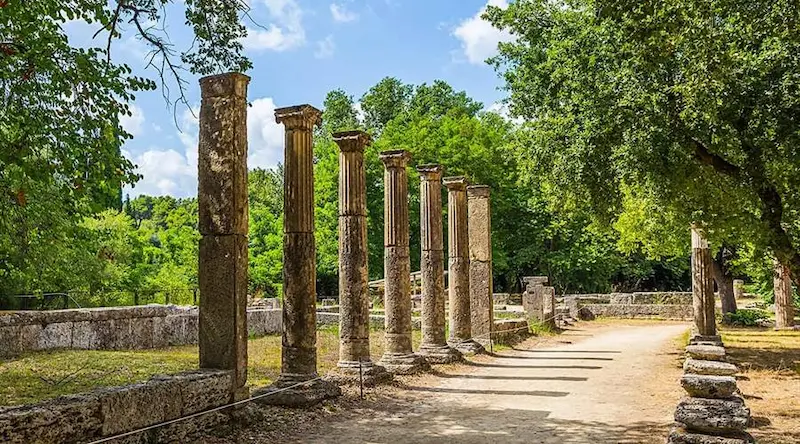
Archaeological site: Temple of Zeus (one of the Seven Wonders), the first Olympic stadium, the site where the Olympic flame is lit, gymnasium and palaestra
Museum: Hermes of Praxiteles (original IV c. BC), pediments of the Temple of Zeus, Nike of Paionios — masterpieces of world calibre
4
Lunch at Olympia
Rest ~ 1–1,5 hours Greek taverna with local cuisine
5
Olympia → Athens
Transfer ~ 2.5–3 hours Return to your hotel via the motorway
En route: Comfort stop halfway. On the way back — most passengers doze: the mind is busy digesting Olympia
Tour Route ~580 km
Weather along the route
Athens
...
1Athens
2Corinth Canal
3Olympia
Tap to open interactive map
Duration
11–12 hours

This is a private full-day tour — after each stop you will have free time for photographs and exploring on your own.

The new motorway (2026) has cut the journey to Olympia considerably — the drive now takes 2.5–3 hours instead of the previous 4–5. This is transforms the feel of the day: there is time and energy left for Olympia itself.

The one-hour range (11–12) reflects your free time at Olympia and at lunch. You set the pace — this has no bearing on the tour price.

Below — a closer look at each stop
Read moreShow less
Road to the Corinth Canal
~1 hour along the motorway through history
The Battle of Salamis, the myth of Procrustes and the boundary of two worlds — Attica and the Peloponnese.
BBC: Battle of Salamis
Read moreShow less
Road to the Corinth Canal

Road to the Corinthian Canal — roughly an hour along the comfortable motorway. But this is not merely a transfer — it is a journey through the key waypoints of Greek history. To the left — the Saronic Gulf with the silhouette of the island Salamis. It was here, in 480 BC, that the Greek fleet under Themistocles routed the armada of the Persian king Xerxes. Three hundred Greek triremes against a thousand Persian ships — and a victory that altered the course of world history. Had it not been for Salamis, there would have been neither Plato nor Aristotle, nor the Greece we are on our way to see.

Procrustean bed

Closer to the Canal, we pass the places where, according to myth, there lived Procrustes — the brigand who laid travellers on his bed and "adjusted" them to fit: the tall had their legs lopped off, the short were stretched. He lived on the border of Attica and Corinthia — precisely where we are driving. Theseus killed him by the same method — laid him on his own bed.

The philosophical subtext of the myth runs deeper than it appears: Procrustes is a metaphor for standardisation. Anyone who tries to force living reality into rigid frameworks, sooner or later finds himself on his own bed of standards. The Greeks knew how to package wisdom in stories — and this one remains relevant to this day.
The Corinth Canal
A 19th-century engineering marvel — 6 km, 80 metres deep
6 kilometres, 80 metres deep, 2,500 years of history — from dream to realisation.
Corinth Canal
Corinth Canal
Read moreShow less
Corinth Canal

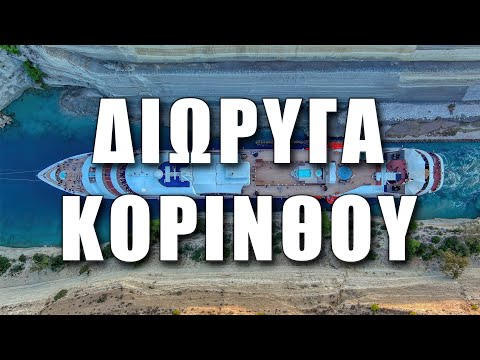
Corinth Canal — a dream 2,500 years old. The first to conceive it was the tyrant Periander in the 7th century BC, but he retreated before the scale of the undertaking. Julius Caesar planned the construction, Caligula dispatched engineers to survey the site, while Nero in AD 67 personally drove a golden spade into the earth and ordered 6,000 Jewish prisoners to begin the work. But the emperor was murdered within a year, and the project was abandoned. For the next eighteen centuries ships sailed around Peloponnese — an extra 700 kilometres. The modern canal was cut by French engineers in 1881–1893, and it remains one of the narrowest navigable canals in the world: just 25 metres wide at a depth of 8 metres.

View on Corinth Canal

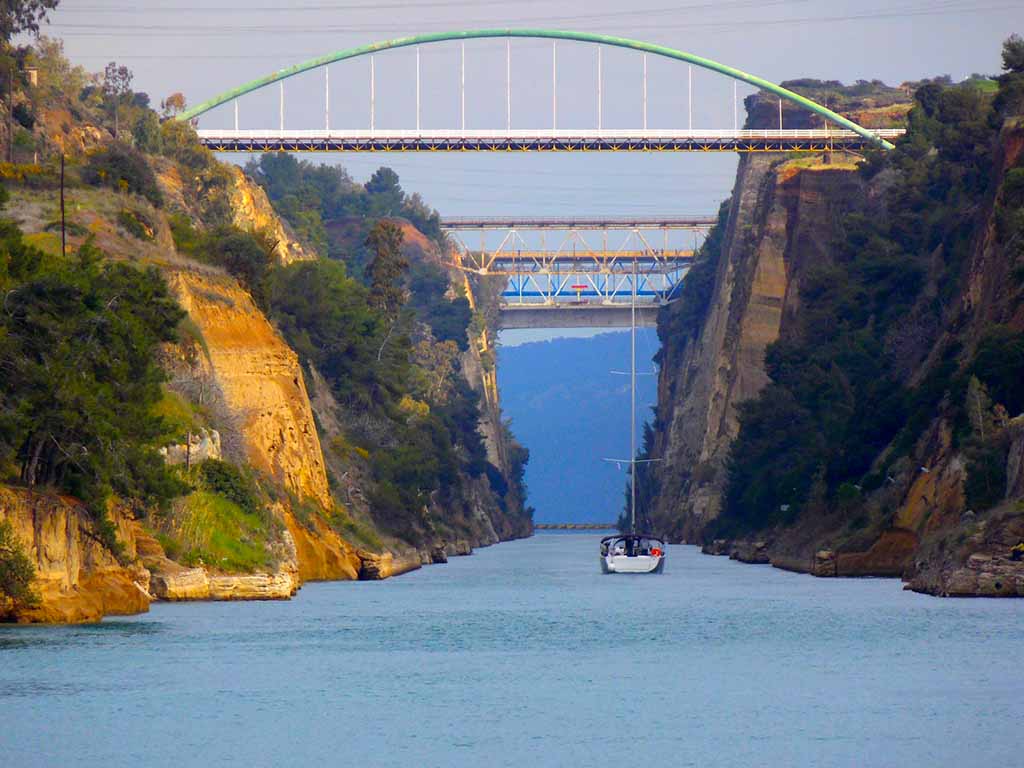
The canal cuts through the Isthmus of Corinth for 6.3 kilometres, and the sheer limestone walls plunge 80 metres — a spectacle at once majestic and vertiginous. Today the canal handles roughly 11,000 vessels a year, but large container ships and tankers cannot fit — its economic significance has given way to the touristic. You can bungee jump here from the bridge at 80 metres, or cruise by boat between walls that seem to close above your head.

Pedestrian bridge over Corinth Canal

We stop at the pedestrian bridge — the only vantage point from which one can stand above the chasm and absorb the scale of what lies below. Beneath your feet — 80 metres of void, turquoise water of the canal and, if luck is with you, a yacht passing below that from this height looks like a toy. Walls of golden limestone stretching into the distance in perfectly parallel lines, and on the horizon the waters of two seas merge — the Aegean and the Ionian. This is the quintessential "postcard" view of Greece, but no photograph conveys the sensation, when you stand on the edge and feel the wind from the gorge. There will be time here to take photographs, breathe the sea air and simply stand in silence above this marvel of engineering.
The Road to Olympia
Along the Corinthian Gulf past the Rio-Antirrio bridge
180 km along the scenic motorway hugging the northern coast of the Peloponnese. En route — Patras and a view of the longest cable-stayed bridge in Europe.
The Rio-Antirrio Bridge
Read moreShow less
Coast of the Corinthian Gulf

From the Corinthian Canal we head west along the A8 motorway, which stretches along the northern coast of the Peloponnese. To the right — the turquoise waters of the Corinthian Gulf, to the left — mountains and olive groves. This is one of the most scenic stretches of the Greek motorway system. The gulf narrows to the west, and the opposite shore — mainland Greece seems ever closer.

The Rio-Antirrio bridge

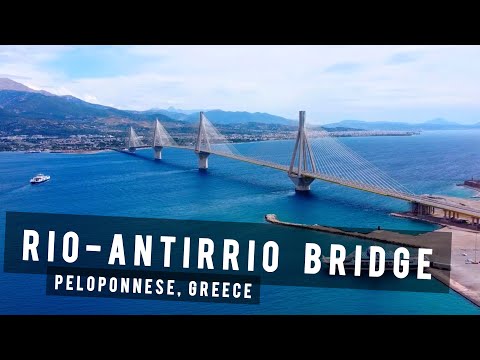
The Rio-Antirrio bridge — an engineering marvel of the 21st century. 2,883 metres across the sea, four pylons 230 metres tall, seabed depth 65 metres. Built over 7 years (1998–2004), opened for the Athens Olympiad. This is the longest cable-stayed bridge in Europe. We do not cross it (it leads to the mainland), but we pass it by — and the view is breathtaking. The bridge connects the Peloponnese with Western Greece; before it was built, the only crossing was by ferry.

Patras

Patras — the third city of Greece (215 000 inhabitants), the principal port of the western coast. From here, ferries depart for Italy — Bari, Brindisi, Ancona, Venice. In Patras the Apostle Andrew preached, here he was martyred on an X-shaped cross (hence the "St Andrew's Cross").

Road to Elis

After Patras the road turns south into the region of Elis. The landscape changes: gentle hills appear, vineyards, olive and citrus groves. Elis is a fertile plain that since antiquity has fed the participants and spectators of the Olympic Games. Strabo called these lands "blessed".

We arrive at Ancient Olympia — birthplace of the Olympic Games and the site where the Olympic flame is lit

The Tour of Olympia
Where sport was religion
The archaeological complex of Ancient Olympia is a combination of "site plus museum". Archaeology without a museum often amounts to "stones without a face", here it all comes together into a single story.
Olympia Museum
Olympia Museum
Ancient Olympia
Ancient Olympia
Read moreShow less
Olympia Museum

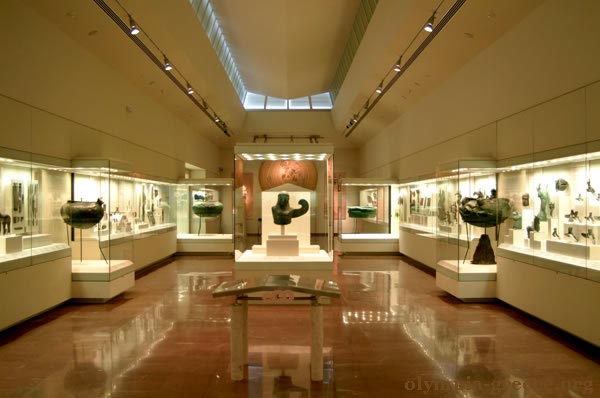
The Archaeological Museum of Olympia — one of the finest in Greece, and we begin our visit there. In Greece (mercifully) there is no tradition of removing finds to the capital: they are displayed where they were discovered. Hence what one sees here are not copies but originals, pieces that could grace any Louvre or Hermitage. The collection spans a millennium: from Geometric-period bronze tripods to Roman portraits.

Pediments of the Temple of Zeus

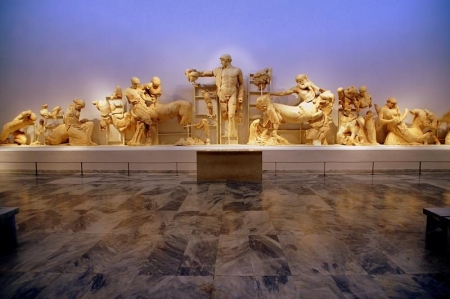
The pediment sculptures of the Temple of Zeus — the centrepiece of the exhibition. The west pediment depicts the battle of the Lapiths and the Centaurs: chaos, motion, the intertwining of bodies. At the centre stands Apollo, calmly extending his hand and with a single gesture halting the madness. The east pediment depicts the moment before the fateful race of Pelops and Oenomaus — a taut silence from which tragedy is born. These sculptures are the pinnacle of the Early Classical style.

Nike of Paionios

Nike of Paionios — the goddess of victory descending from the heavens. The sculptor Paionios created it around 420 BC to celebrate the victory of the Messenians over the Spartans. The statue stood upon a nine-metre triangular column, and from below it appeared that Nike was hovering in the air. The thin fabric of the chiton clings to the body in the oncoming wind — the "wet drapery" effect later echoed in the Winged Victory of Samothrace. The original, 2.9 metres tall, is in the Olympia Museum.

Hermes of Praxiteles

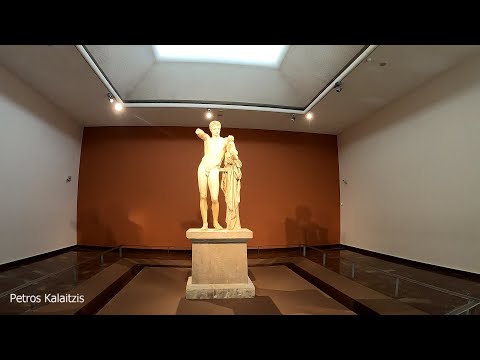
Hermes of Praxiteles — the jewel of the museum and one of the rarest surviving originals by the great sculptor I5th century BC. Hermes cradles the infant Dionysus and presumably dangles a bunch of grapes before him (the hand is lost). The marble is polished to a soft sheen, the face bears the characteristic Praxitelean dreaminess. Most ancient sculptures survive only as Roman copies, here is an original. This statue alone is worth a trip to Greece.

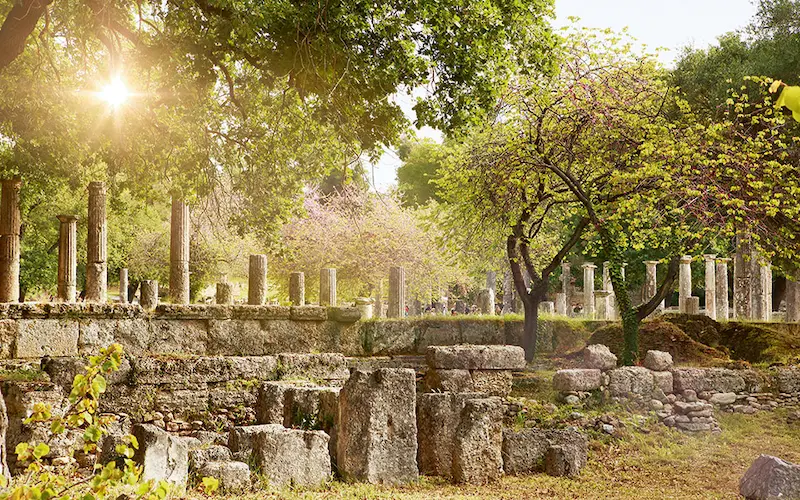
Archaeological zone of Olympia

The archaeological site of Olympia — these are not merely ruins but a legible map of ancient Greek life. After the museum we walk the Sacred Way, the path the athletes once trod. We will see the foundations of the treasuries built by the wealthiest poleis of Greece, and stand at the Altar of Zeus where the sacred fire burned. Here every stone tells hourof a story nearly three thousand years old.

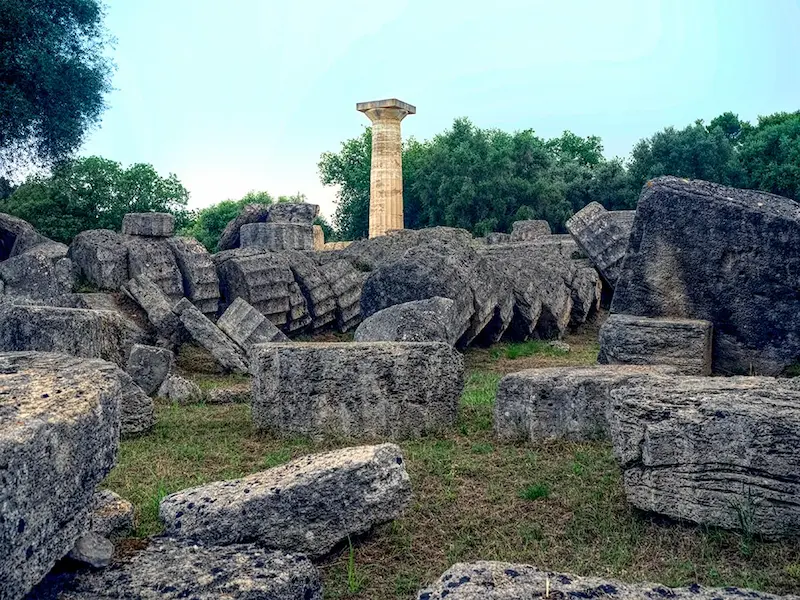
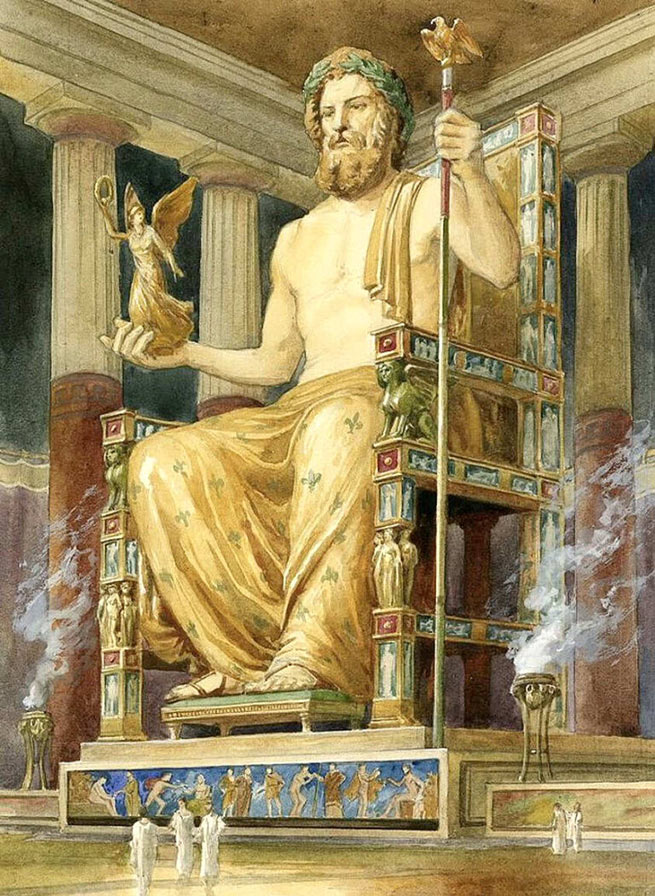
The Temple of Zeus

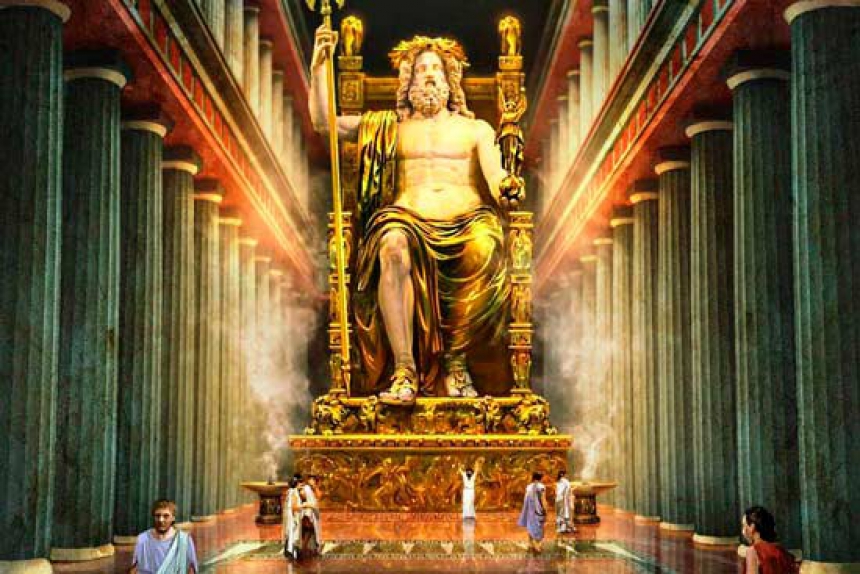
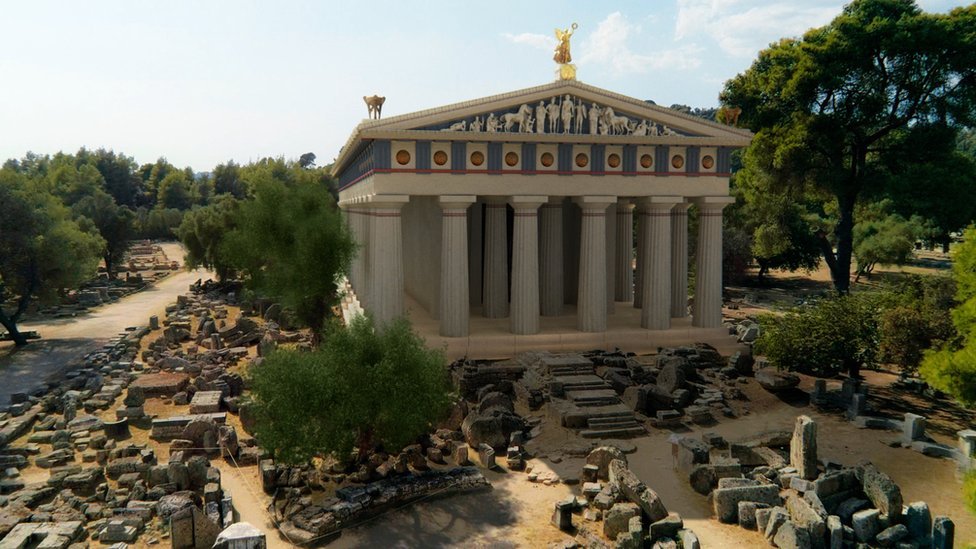
The Temple of Zeus — the principal sanctuary of Olympia. Built in 456 BC, dimensions 64×28 metres, column height 10.5 metres. Inside stood the 13-metre statue of Zeus by Phidias — one of the Seven Wonders of the Ancient World. The god sat upon a throne of cedar, ivory and gold; in his right hand he held Nike, in his left a sceptre topped with an eagle. The statue was taken to Constantinople, where it burned in the 5th century. Of the temple, only gigantic column drums remain — earthquake 6th century toppled them like dominoes.

The Temple of Hera

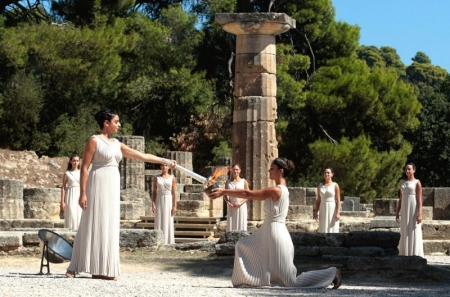
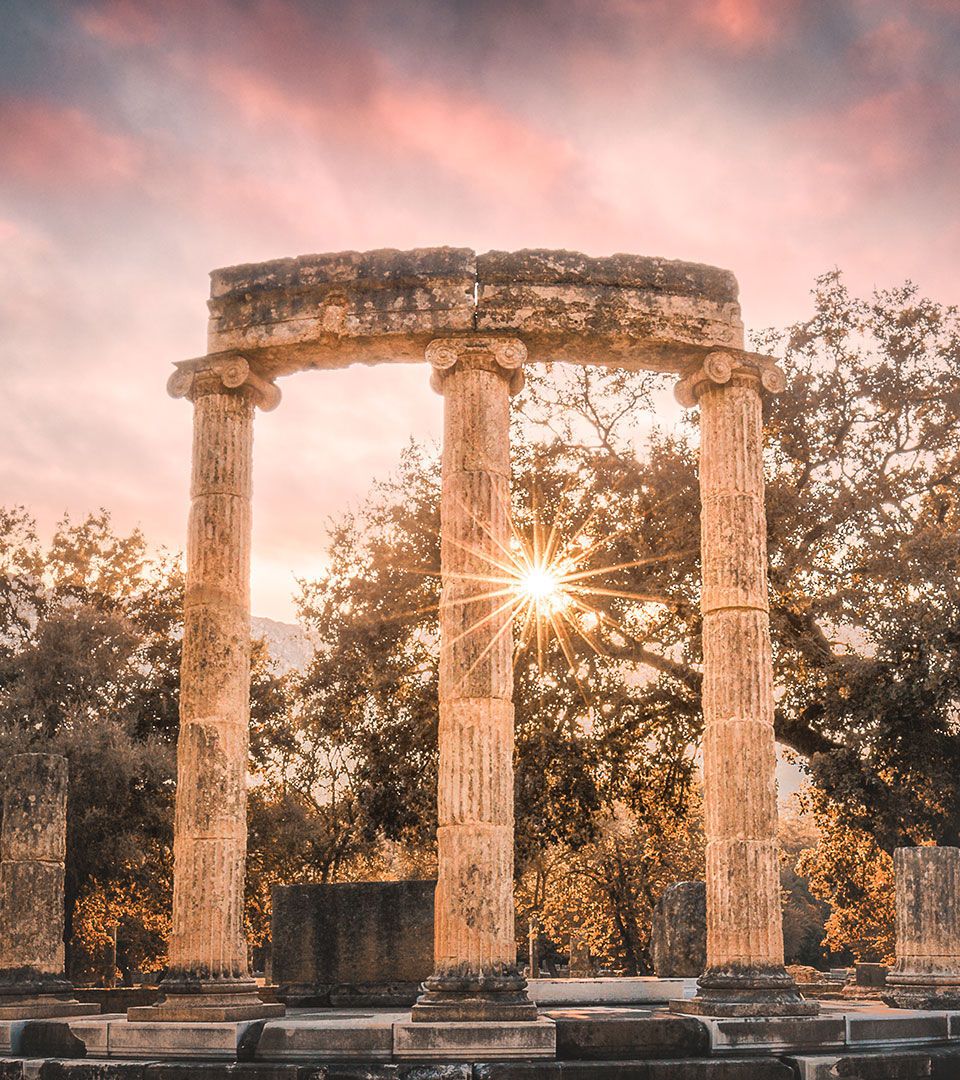
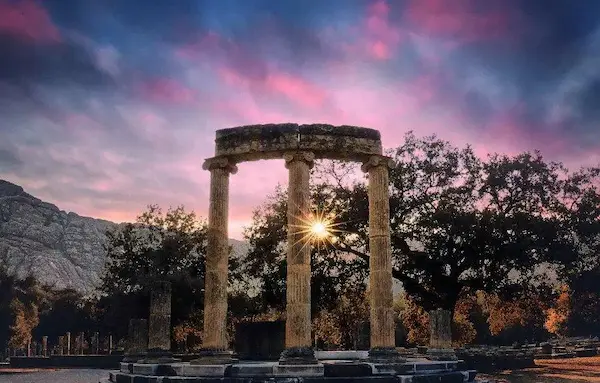
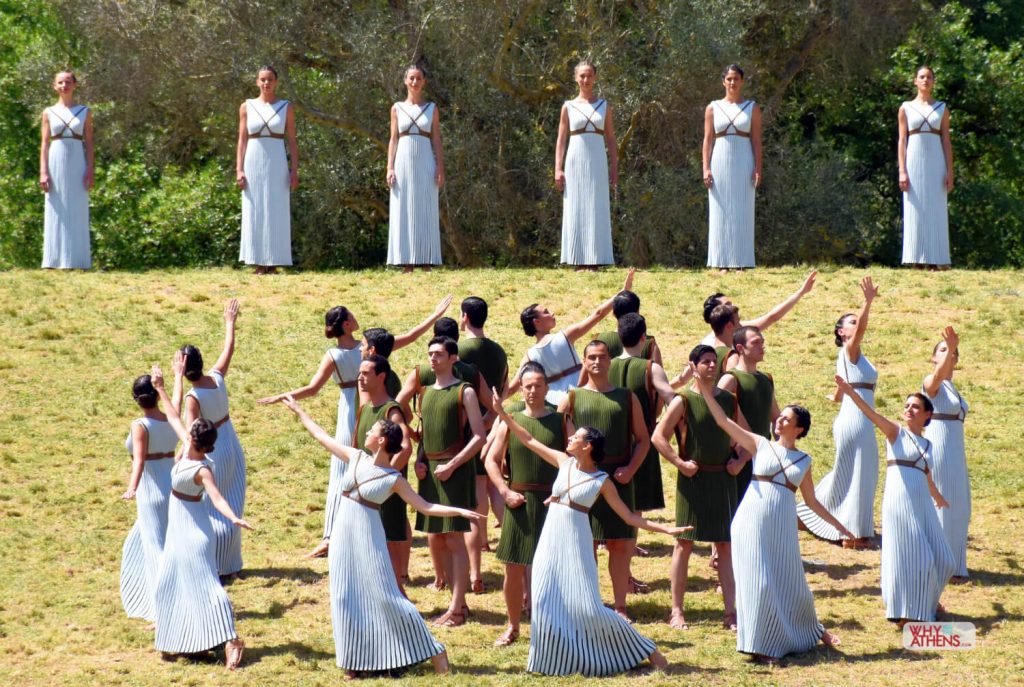
The Temple of Hera — the oldest temple at Olympia (c. 600 BC). In antiquity an eternal flame burned here, tended by priestesses. Today this tradition is recreated in a theatrical ceremony: actresses portraying ancient priestesses light the Olympic flame using a parabolic mirror, catching a ray of sunlight. The temple is notable also for the fact that its wooden columns were gradually replaced with stone of varying styles: a living encyclopaedia of the Doric order. Before this temple the Olympic flame is still lit today for every modern Olympic Games — a tradition revived in 1936.

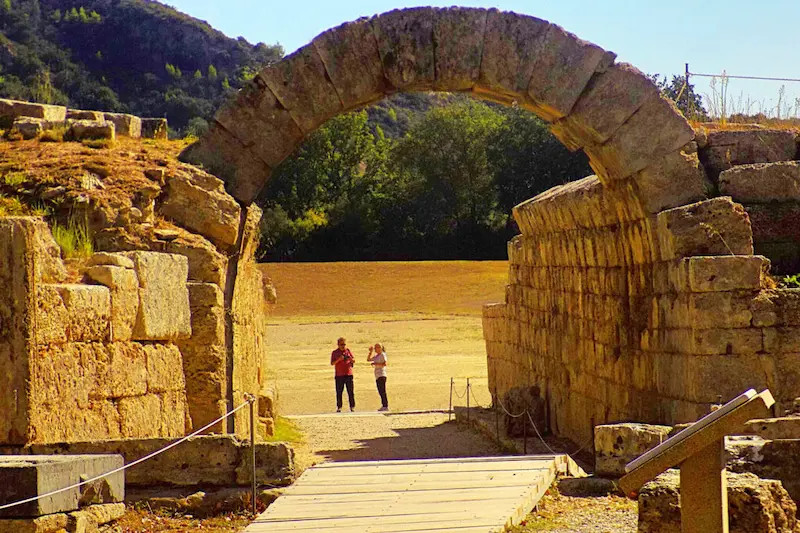
Stadium of Olympia

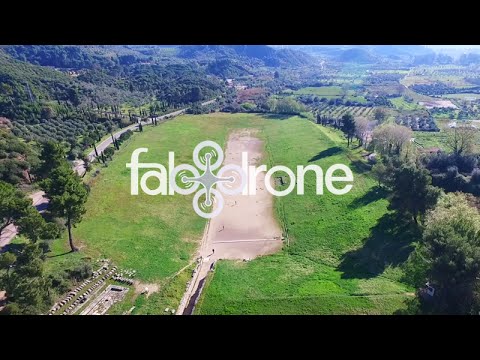
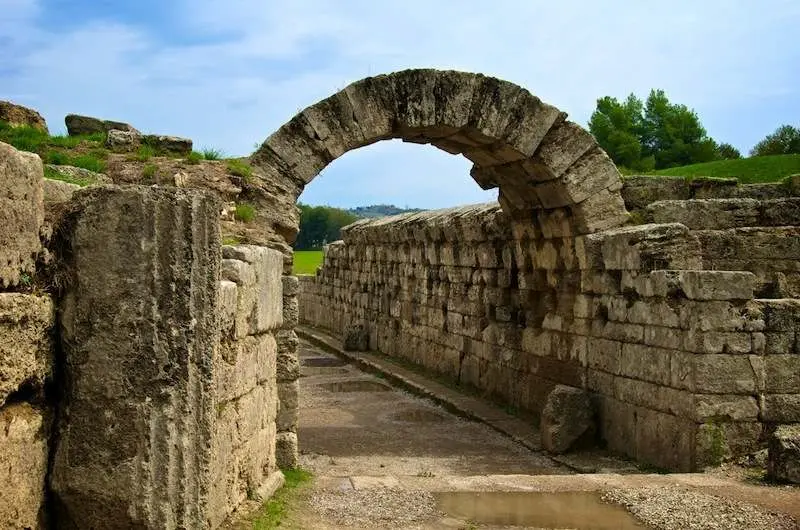
The stadium — the heart of the Olympic Games. The terraces held 40,000 spectators who sat directly on the earthen slopes — and this was deliberate. Stone seats were reserved for judges alone; for everyone else — bare earth. Thus was the principle of equality embodied: slaves and kings, paupers and aristocrats sat on the same level, equal before the law of the Games. The running track — 212 metres — the distance that, according to legend, Heracles ran in a single breath. From this length derives the word "stadion" — the unit of distance throughout the ancient world. Here you can stand on the marble starting slabs with grooves for the toes — they survive from the 5th century BC — and run the stadion on the oldest stadium in the world.

Lunch at Olympia

The pace of the tour — unhurried and thoughtful, with none of the rush. Roughly three hours are allocated for the museum and archaeological site — enough to see the essentials without tiring. After the tour — lunch at a local taverna: home-cooked Greek cuisine, wine from local vineyards, a view of the olive groves. Then — the road home along the Corinthian Gulf.

Below — a little more on the ancient Olympic Games

Ekecheiria: "Let No Hand Be Raised"
The Sacred Truce as the foundation of the Olympic Games
Phlegon preserves the text of the Pythia's pronouncement on the mission of the Eleans: "By abstaining from war, you shall protect your land. Teach the Greeks universally accepted friendship."
Read moreShow less
Ekecheiria — inscriptions

Ekecheiria — the Sacred Truce. The word literally means "the holding of hands" — the moment when a warrior lays down his arms. A month before the Games, heralds known as spondophoroi fanned out across Greece, proclaiming the truce. Violators faced an enormous fine: in 420 BC, Sparta paid 2,000 minae (roughly 52 kg of silver) because its troops attacked a fortress during the sacred month.

Symbolism of ekecheiria

The Truce protected not only athletes, but also tens of thousands of spectators, merchants and performers who converged on Olympia. Roads became safe, borders were opened. Even warring poleis sent delegations that sat side by side in the stands. It was the one moment when a Greek from Athens could calmly converse with a Greek from Sparta.

Atmosphere of Olympia

Olympia is a place where the idea of peace took root in stone and ritual. The Olympic festivals drew a significant portion of the Greek elite: poets, orators, historians, philosophers, architects, sculptors. Beyond the contests and rituals, a temporary centre of intellectual and artistic life was created for all of Greece.

The Renunciation of Violence "Within"
Ekecheiria — not only between poleis
Ekecheiria called for the renunciation of violence not only "without" (wars between poleis) but also "within" — from civil strife.
Read moreShow less
Refusal of violence

Ekecheiria operated not only between poleis, but also within them. For the duration of the Games, judicial executions were suspended, debt disputes deferred, political conflicts frozen. In 364 BC the Eleans and Arcadians fought a battle in Olympia itself — an act of sacrilege so appalling that it shocked the entire Greek world for generations to come.

Peace within

The Olympic festival was a time of amnesty — a word that literally means "oblivion." Debts were forgiven, grievances set aside, the condemned granted a reprieve. The philosopher Epictetus wrote: "At Olympia you endure heat, crowds, filth, noise — and are happy all the same. Because this is the festival of the end of all wars". The moment when one could simply be a Greek, not an Athenian or a Spartan.

Unity of the Hellenes

Olympia created a space, where enemies could meet as people, not as warriors. The Sacred Truce was not merely a cessation of hostilities but a transformation of consciousness. The moment when one could see in an opponent a human being.

Calendar of the Olympiads
776 BC — the starting point of Greek chronology
Coroebus of Elis — the first known Olympic champion. His name became the foundation of Greek chronology.
Read moreShow less
Calendar of the Olympiads

776 BC — Coroebus of Elis won the stadion race (192 metres) and became the first Olympic champion, whose name has reached us. From this date the Greeks reckoned all of history. The historian Hippias of Elis in the 5th century BC compiled the first complete list of victors — and gave the Greeks a unified chronology. Until then, every polis counted the years in its own fashion: ""in the third year of the archonship of so-and-so"". Afterwards — "in the second Olympiad". An Olympiad denoted the four-year period between Games, hence they would say: "the third year of the second Olympiad" or "the second year of the forty-sixth".

Olympia — calendar

The four-year cycle — the Olympiad — became a universal "currency of time". The Games were held at the first full moon after the summer solstice (late June to early August). The sacred month of hieromenia began a month before the Games: the heralds (spondophoroi) fanned out across Greece, proclaiming the Sacred Truce. Over 1,169 years, 293 Olympiads were held — from 776 BC to AD 393.

The Contests
Milo of Croton — 6 victories over 24 years
The wrestler Milo won six consecutive Olympiads. It is said he trained by carrying a calf on his shoulders until it grew into a bull.
Read moreShow less
Competitions at Olympia

Leonidas of Rhodes — 12 Olympic victories (164–152 BC), the absolute record of antiquity. He won three running events at four consecutive Olympiads: the stadion (192 m), the diaulos (384 m) and the hoplitodromos — a race in full armour weighing roughly 25 kg. Athletes competed naked — the word "gymnastics" derives from gymnos ("naked"). Women were forbidden even to watch the Games on pain of death.

Temple of Olympia

Pankration — "everything is permitted" — the most brutal of the contests. Only biting and gouging of eyes were forbidden. Arrhichion of Phigalia won the pankration in 564 BC while dead: his opponent was strangling him, but Arrhichion broke his toe. In agony the opponent yielded — and the judges crowned the already-dead body of Arrhichion. His statue was erected at Olympia.

The programme of the Games evolved over centuries. The first thirteen Olympiads (776–728 BC) featured only one event — the stadion foot race. New disciplines were added gradually: the diaulos (double sprint), the dolichos (long-distance run, roughly 4.6 km), wrestling, the pentathlon, boxing, chariot racing and the pankration. By the Classical era the programme comprised 18 events and lasted five days. Separately held were contests for boys — young athletes aged 12–17.

Hecatomb

The Hecatomb — sacrifice of 100 bulls on the fourth day of the Games. The meat was roasted on the spot — for ordinary Greeks this was a rare opportunity to eat beef. "Symposium" (literally "to drink together") after the sacrifice brought together philosophers, poets and politicians. Here Herodotus read his Histories, Gorgias delivered speeches, and Plato gathered material for his dialogues.

Rome and Decline
AD 67 — Nero "wins" after falling from his chariot
The emperor forced the Games to be postponed by two years, added a singing competition, and "won" the chariot race — without finishing.
Read moreShow less
Roman period

Rome came to Olympia in 146 BC after the conquest of Greece. The first Roman Olympic champion was the future emperor Tiberius — who won the chariot race in 4 BC. But the true circus was staged by Nero in AD 67. He arrived with 5,000 bodyguards, forced the Games to be postponed by two years, added a singing competition (and, naturally, won), entered the race with a team of 10 horses instead of the usual 4 — fell, did not reach the finish, yet was still declared the victor. He was awarded 1,808 wreaths. After his death In AD 68 all his "victories" were annulled.

Decline of the Games

AD 393 — the last Olympiad. By then the pagan cults had fallen into decline, and with them the prestige of the Olympic Games. The Emperor Theodosius I officially closed the sanctuary. The 293rd Olympiad was the last — after 1,169 years of unbroken tradition. Yet the famous statue of Zeus by Phidias — one of the Seven Wonders of the Ancient World — was not destroyed: it was carefully transported to Constantinople, where it was displayed as a museum piece. The statue stood for almost another century before perishing in a fire in 475 — its wooden frame left it no chance.

Destruction of Olympiи

In 522 and 551, two earthquakes completed the destruction. The rivers Alpheios and Kladeos flooded and buried Olympia beneath eight metres of sand and silt. The site was forgotten for 1,300 years. When in 1766 the English antiquary Richard Chandler found the ruins, he could not believe his eyes: beneath the olive grove lay an entire world.

Revival
1896 — Spyridon Louis and the marathon
A Greek water-carrier won the marathon at the first modern Olympiad. King George I ran alongside him for the final metres.
Read moreShow less
Revival of the Olympics

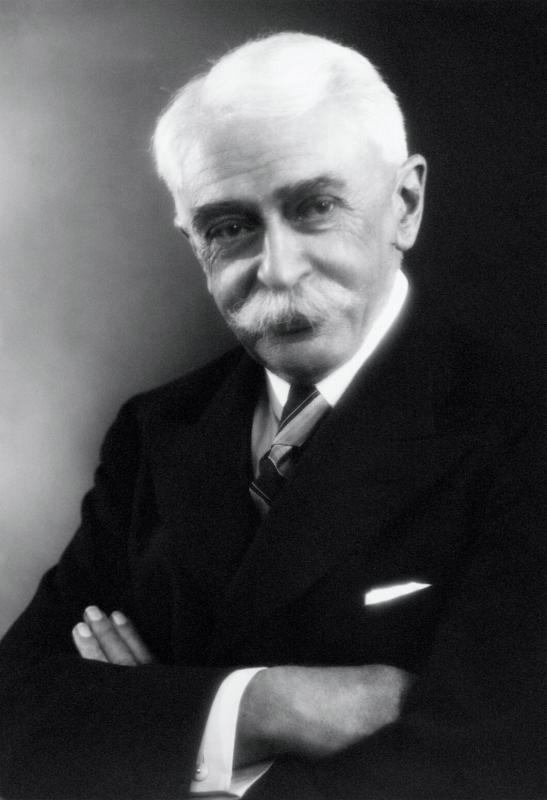
In 1894, Pierre de Coubertin convened a congress at the Sorbonne. The Baron dreamed of reviving the ancient ideal through sport. Greece insisted on the right to host the first Games. 6 April 1896, at the marble Panathenaic Stadium in Athens, King George I declared: "I proclaim the opening of the first international Olympic Games". 241 athletes from 14 nations — a modest beginning to a great story.

Spyridon Louis

Spyridon Louis — a water-carrier from the village of Marousi — won the marathon on 10 April 1896. A distance of roughly 40 km from the field of the Battle of Marathon to Athens (the exact distance of 42.195 km was set only in 1908). When he entered the stadium, 80,000 spectators rose to their feet. Crown Princes Constantine and George descended from the stands and ran with him the final metres to the finish. Louis was offered money, houses, a lifetime of meals — he asked only for a cart and a horse to carry water.

Lighting of the Olympic flame

Since 1936 Olympic flame is lit here, at Olympia — on the site where in antiquity the eternal flame of the Temple of Hera burned. Today it is an elegant theatrical ceremony: actresses portraying ancient priestesses use a parabolic mirror to capture a ray of sunlight. The flame travels through countries and continents to the host city of the Games. The 2004 relay was the longest in history: 78,000 km through 34 countries. Thus every four years Olympia reminds the world: we are all — hourpart of one story.

Frequently Asked Questions

At a glance:

Entrance tickets not included


Corinth Canal — free entry

Archaeological site + Olympia Museum — combined ticket €20


Free:

• Children under 18

• EU citizens under 25

• Pensioners 67+ from EU countries — €10 (half price)


Tickets can be purchased on site or in advance online at the Greek Ministry of Culture website.

I narrate not only at the monuments but also on the way to them — providing the full historical context so that you understand how events connect and eras.

At the monuments themselves, as a licensed guide, I accompany you inside and narrate everything on the spot. After the tour — free time for photographs and exploring on your own.

At Olympia you will have 1–1,5 hours for lunch after the tour. In the town beside the archaeological site there are many cosy tavernas — take your pick! Local cuisine: charcoal-grilled meat, home-made sauces, Greek salads, wine Peloponnese. Lunch is not included and is optional.

Absolutely! Olympia is a place where you can run on an actual ancient stadium, see where the Olympic flame is lit, and touch history with their own hands. Children are usually thrilled by the scale and atmosphere.

No special fitness is required. The pace can be kept gentle, with plenty of stops.

Tour Price

My rates are very reasonable. Let me know how many you are and your dates — I will reply promptly

Message me

and a chat will open instantly — no need to save my number first

If you prefer good old Email
And if you still believe phones were made for conversation ?

do bear in mind that roaming charges can bite

© 2026 Alexis Elpiadis — Tour Guide in Athens & Greece
elpiadis.com
✦ Get Prices